

No videos to sit through — you play from the first minute.
Train Smarter.
Checkmate Faster.
Thirty courses · 1,000 interactive lessons & drills · a puzzle trainer · a computer opponent
Click to reveal →
FROM FIRST MOVE TO CLUB PLAYER
A thousand guided lessons across thirty courses, plus 951 engine-verified mate drills, each practised on a live board before you move on. Earn stars on every lesson, finish a course, and print your certificate. Built for absolute beginners, juniors, and improving club players.
Pawn → Knight → Bishop → Rook → Queen
five stages that grow with you — from your very first pawn push to commanding the whole board like a queen
Roster · weekly assignments · completion tracking · batch certificate printing
RUN YOUR WHOLE CLASS FROM ONE DASHBOARD
Keep a class roster, set the week's assignment, mark completions, and print certificates for every finisher in one go — each on the official design.
WHY PEOPLE STAY
Every idea is explained, then immediately practised on a real board — you never watch chess, you play it. Miss a puzzle twice and the hint system steps in instead of the answer.
— the teaching principle behind every lesson
HOW GOOD ARE
YOU AT CHESS?
Six quick questions route you straight to the right course.
CERTIFICATE OF COMPLETION
A4 portrait · your name · the finished course · print or download
YOUR CERTIFICATE
Create a free account, pass a course's final assessment at 80% or higher, and your certificate is issued automatically — with a fixed reference number anyone can verify by scanning its QR code.
لا فيديوهات تجلس لمشاهدتها — أنت تلعب من الدقيقة الأولى.
تدرّب بذكاءٍ ومهارة.. تُنجز "كش مات" بجدارة.
ثلاثون دورة · 1000 درس وتدريب تفاعلي · مدرّب ألغاز · خصم حاسوبي
انقر للكشف ←
من الحركة الأولى إلى لاعب النادي
ألف درس موجّه عبر ثلاثين دورة، إضافة إلى 951 تدريب كش مات متحقق منها بالمحرك، كلٌ يُمارَس على رقعة حية قبل الانتقال. اجمع النجوم في كل درس، أكمل الدورة، واطبع شهادتك. صُمم للمبتدئين تمامًا والناشئين ولاعبي الأندية.
بيدق ← حصان ← فيل ← رخ ← ملكة
خمس مراحل تكبر معك — من دفعتك الأولى لبيدقٍ إلى قيادة الرقعة بأكملها كالملكة
قائمة طلاب · مهام أسبوعية · تتبع الإتمام · طباعة الشهادات دفعة واحدة
أدر فصلك كاملًا من لوحة واحدة
احتفظ بقائمة الفصل، حدد مهمة الأسبوع، علّم الإتمامات، واطبع شهادات لكل من أنهى — كلها على التصميم الرسمي.
لماذا يبقى المتعلمون
كل فكرة تُشرح ثم تُمارَس فورًا على رقعة حقيقية — أنت لا تشاهد الشطرنج، بل تلعبه. أخطئ في اللغز مرتين ويتدخل نظام التلميحات بدلًا من كشف الإجابة.
— المبدأ التعليمي خلف كل درس
شهادتك
أنشئ حسابًا مجانيًا، واجتز التقييم النهائي لدورة بنسبة 80% أو أعلى، وستُصدر شهادتك تلقائيًا — برقم مرجعي ثابت يمكن لأي شخص التحقق منه بمسح رمز QR.
شهادة إتمام
A4 عمودي · اسمك · الدورة المكتملة · طباعة أو تنزيل
Every course, move by move
Thirty objective-led courses, each built from short lessons that put an idea in front of you, then a position where you must use it. You cannot click "next" until the board agrees you have understood.
كل دورة، حركة بحركة
ثلاثون دورة موجّهة بأهداف واضحة، كل واحدة مبنية من دروس قصيرة تعرض عليك فكرة، ثم موقفًا عليك استخدامها فيه. لا تستطيع الضغط على "التالي" حتى توافق الرقعة أنك فهمت.
Everything you need to run chess at your school — in one simple dashboard
Assign a course, watch who is stuck, and print a certificate when a level is finished. Whether you coach five children after school or five hundred across a district, the admin should take minutes, not evenings.
- Classroom dashboard showing every student's progress lesson by lesson
- Ready-made lesson plans matched to each of the five levels
- Printable badges and completion certificates
- Runs in any browser — classroom tablets, shared laptops, phones
- English and Arabic interface, with full right-to-left layout
- Teachers set up each student account (one email address per student)
A term at a glance
| Weeks | Course | Level |
|---|---|---|
| 1–4 | Your First Moves | ♙ Pawn |
| 5–7 | Tactics Bootcamp | ♘ Knight |
| 8–9 | Checkmate Patterns | ♗ Bishop |
| 10–11 | Openings That Make Sense | ♗ Bishop |
| 12 | Class tournament | ♖ Rook |
Adjust freely — every course can be assigned in any order.
What a teacher sees
Three screens, and nothing else to learn.
Roster
Every student, their current level, and the last lesson they finished.
Assignments
Pick a course, pick a due date, pick a group. That is the whole flow.
Certificates
Generate a printable certificate the moment a level is completed.
| Student | Level | Course progress | Last activity |
|---|---|---|---|
| Sara A. | ♙ Pawn | Castling | |
| Omar K. | ♘ Knight | Forks | |
| Layla M. | ♙ Pawn | 🏆 Certificate | |
| Yousef R. | ♗ Bishop | Pins | |
| Huda S. | ♙ Pawn | The knight’s L |
كل ما تحتاجه لإدارة الشطرنج في مدرستك — من لوحة تحكم واحدة بسيطة
عيّن دورة، راقب من يتعثر، واطبع شهادة عند إنهاء مستوى. سواء كنت تدرّب خمسة أطفال بعد الدوام أو خمسمائة عبر منطقة تعليمية، يجب أن تستغرق الإدارة دقائق، لا أمسيات.
- لوحة تحكم صفية تُظهر تقدم كل طالب درسًا بدرس
- خطط دروس جاهزة مطابقة لكل من المستويات الخمسة
- أوسمة وشهادات إنجاز قابلة للطباعة
- تعمل على أي متصفح — أجهزة الصف اللوحية، الحواسيب المشتركة، الهواتف
- واجهة عربية وإنجليزية، مع تخطيط كامل من اليمين لليسار
- المعلّم ينشئ حساب كل طالب (بريد إلكتروني واحد لكل طالب)
فصل دراسي بلمحة
| الأسابيع | الدورة | المستوى |
|---|---|---|
| 1–4 | خطواتك الأولى | ♙ البيدق |
| 5–7 | معسكر التكتيكات | ♘ الحصان |
| 8–9 | أنماط كش مات | ♘ الحصان |
| 10–11 | افتتاحيات منطقية | ♗ الفيل |
| 12 | بطولة الصف | ♖ الرخ |
عدّل بحرية — يمكن تعيين كل دورة بأي ترتيب.
ما يراه المعلم
ثلاث شاشات، ولا شيء آخر لتعلّمه.
قائمة الطلاب
كل طالب، مستواه الحالي، وآخر درس أنهاه.
المهام
اختر دورة، اختر موعدًا نهائيًا، اختر مجموعة. هذا كل ما في الأمر.
الشهادات
أنشئ شهادة قابلة للطباعة فور إنهاء مستوى.
| الطالب | المستوى | تقدّم الدورة | آخر نشاط |
|---|---|---|---|
| سارة أ. | ♙ البيدق | التبييت | |
| عمر ك. | ♘ الحصان | الشوكة | |
| ليلى م. | ♙ البيدق | 🏆 شهادة | |
| يوسف ر. | ♗ الفيل | التسمير | |
| هدى س. | ♙ البيدق | حركة الحصان |
Simple, and honest about it
The first course is free forever — not a trial. Upgrade only when you want the rest of the curriculum.
Pawn
- Your First Moves — the complete first course
- Three puzzles every day
- Placement test to find your level
- Play the computer — all five levels
- Daily challenge, streaks & achievement badges
- Progress tracking tied to your account
School
- All 1,000 lessons across 30 courses, unlocked for every student
- Teacher & school dashboard — roster, weekly assignments, live progress
- Bulk student accounts created in minutes
- Printable completion certificates for every finisher, on the official design
- Verifiable certificate reference numbers for every award
- Fully bilingual Arabic / English interface
- Priority support from our team
Reach us on WhatsApp or by email and we'll set your school up — see the “For schools” page for details.
Frequently asked questions
Fifty quick answers. Tap a question to expand it.
Getting started
Do I need to know anything to start?
No. The very first lesson shows you how a piece moves; we assume zero experience.
Is there an age limit?
The lessons read comfortably from about age seven upward, and adults follow the exact same path.
Is it really free to begin?
Yes. The first course and the daily puzzles are free forever, with no card required.
Do I need to install anything?
No. Everything runs in your web browser on phone, tablet, or computer.
Is the site available in Arabic?
Yes, the entire site works in both English and Arabic; switch anytime from the top menu.
Lessons and courses
How are the lessons structured?
Short lessons you practise on a live board, grouped into courses that rise from beginner to club level.
Do I have to finish lessons in order?
Within a course each lesson builds on the last, but you can pick whichever course you like.
What is the Watch the idea button?
It plays a short animation of the lesson's solution so you can see the idea before trying it yourself.
What happens when I finish a lesson?
You earn stars; complete every lesson in a course to unlock its final assessment and certificate.
Can I redo a lesson?
Yes, as often as you like, and your best result is kept.
Is my progress saved?
Yes. Once you have an account, your progress follows you on any device.
Puzzles and the daily challenge
What is the puzzle trainer?
A bank of checkmate and tactics puzzles, each verified by the engine, to sharpen your eye.
What is the daily challenge?
A fresh puzzle every day; solving it keeps your streak alive.
What are streaks and badges?
Rewards for consistency and for reaching milestones, to keep practice fun.
How many free puzzles do I get?
Three puzzles every day on the free plan.
Playing
Can I play against the computer?
Yes, at five levels from gentle to grandmaster.
Do computer games count in my stats?
Yes. They appear in a separate vs-Computer record and never affect your rating.
Can I play real people?
Yes, in correspondence-style games: make your move and your opponent is notified.
What is Quick Match versus Random Match?
Quick Match finds an opponent near your skill; Random Match spins for anyone, or you can limit it to a similar level.
Can I play a specific friend?
Yes, from the Play a Friend page.
Is there a chat, and is it safe?
In-game chat is moderated with a three-strike system, and reports are reviewed.
Ratings and the leaderboard
How does my rating work?
You start at 1200 and your rating moves up or down with rated results.
What is the leaderboard?
A public board of the top-rated players, including a Top 100.
What is shown publicly?
Your display name, rating, country flag, and finished games, never your real name, email, gender, or exact age.
Can I change my display name?
Yes, within the naming rules, from My Account.
Certificates and assessments
How do I earn a certificate?
Complete a course, then pass its final assessment with 80 percent or higher.
What is on the assessment?
Questions drawn from that course's own lessons, with no hints and one attempt per question.
Are certificates verifiable?
Yes. Each carries a unique reference number and a scannable code that anyone can check on our verification page.
Can I print my certificate?
Yes, it is designed to print cleanly.
Can I see a sample first?
Yes, use the See a sample button on the certificate section.
Tournaments
Are there tournaments?
Yes, including our Hero Bracket knockout format.
Do tournaments give certificates?
Yes, finishers can receive a tournament certificate.
How are pairings decided?
Automatically or by the organiser, depending on the event.
Account, password, and privacy
How do I create an account?
Enter your name, email, country, and age band; gender is optional.
Do children need parental consent?
Yes. A parent or guardian must agree and supervise for players under twelve.
How do I change my password?
From My Account, using the self-service password change.
I forgot my password, what now?
Click I forgot my password, enter your email, and follow the secure reset link we send.
Do you sell my data?
No. We do not sell personal data or run third-party advertising trackers.
How do I delete my account?
Contact support; personal identifiers are erased when your account is deleted.
Schools, teachers, and clubs
Do you have a plan for schools?
Yes. The School plan unlocks the whole curriculum for all your students.
Do students need email addresses?
Yes — each account needs its own email address, which teachers can set up and manage for their students.
What does the teacher dashboard show?
Your roster, each student's level, assignments, and live progress.
Can I assign work?
Yes: pick a course, a due date, and a group.
Can I issue certificates for my class?
Yes, printable certificates generate as students complete levels.
How do we get set up?
Reach us on WhatsApp or by email and we will set your school up.
Pricing, billing, and devices
What does the free plan include?
The complete first course, daily puzzles, the placement test, play-the-computer, and progress tracking.
How much is the School plan?
It is custom per school or club; talk to us for a quote.
What if I stop?
You keep the free course and everything you have completed.
Which devices work?
Any modern browser on phone, tablet, or desktop.
Can I switch language mid-session?
Yes, anytime, and your place is kept.
بسيطة، وصادقة بشأن ذلك
الدورة الأولى مجانية إلى الأبد — وليست تجربة. ترقَّ فقط عندما تريد بقية المنهج.
البيدق
- خطواتك الأولى — الدورة الأولى كاملة
- ثلاثة ألغاز كل يوم
- اختبار تحديد المستوى
- اللعب ضد الحاسوب — كل المستويات الخمسة
- تحدّي اليوم والسلاسل وأوسمة الإنجاز
- متابعة تقدّم مرتبطة بحسابك
المدرسة
- كل الألف درس عبر ثلاثين دورة، مفتوحة لكل طالب
- لوحة تحكم للمعلم والمدرسة — قائمة الطلاب والمهام الأسبوعية والتقدّم المباشر
- إنشاء حسابات الطلاب بالجملة في دقائق
- شهادات إتمام قابلة للطباعة لكل طالب، بالتصميم الرسمي
- أرقام مرجعية موثّقة يمكن التحقق منها لكل شهادة
- واجهة ثنائية اللغة عربية / إنجليزية بالكامل
- دعم ذو أولوية من فريقنا
تواصل معنا عبر واتساب أو البريد الإلكتروني وسنجهّز مدرستك — راجع صفحة «للمدارس» للتفاصيل.
الأسئلة الشائعة
خمسون إجابة سريعة. اضغط على أي سؤال ليتوسّع.
البداية
هل أحتاج لمعرفة أي شيء لأبدأ؟
لا. الدرس الأول يريك كيف تتحرك القطعة، ولا نفترض أي خبرة سابقة.
هل هناك حدٌّ للعمر؟
الدروس مناسبة بارتياح من عمر سبع سنوات تقريبًا فما فوق، والبالغون يتبعون المسار نفسه.
هل البداية مجانية فعلًا؟
نعم. الدورة الأولى والألغاز اليومية مجانية للأبد، ودون بطاقة.
هل أحتاج لتثبيت أي شيء؟
لا. كل شيء يعمل في المتصفح على الهاتف أو اللوح أو الحاسوب.
هل الموقع متوفر بالعربية؟
نعم، الموقع كامل يعمل بالعربية والإنجليزية، وتبدّل اللغة متى شئت من القائمة العلوية.
الدروس والدورات
كيف تُنظَّم الدروس؟
دروس قصيرة تتدرّب عليها على رقعة حية، مجمّعة في دورات تتدرّج من المبتدئ إلى مستوى النادي.
هل يجب إنهاء الدروس بالترتيب؟
داخل الدورة يبني كل درس على سابقه، لكن يمكنك اختيار أي دورة تشاء.
ما زر «شاهد الفكرة»؟
يعرض رسمًا متحركًا قصيرًا لحل الدرس لترى الفكرة قبل أن تجرّبها بنفسك.
ماذا يحدث عند إنهاء درس؟
تكسب نجومًا، وبإكمال كل دروس الدورة تُفتح لك التقييم النهائي والشهادة.
هل يمكنني إعادة درس؟
نعم، بقدر ما تشاء، ويُحفظ أفضل نتيجة لك.
هل يُحفظ تقدّمي؟
نعم. بمجرد امتلاكك حسابًا يتبعك تقدّمك على أي جهاز.
الألغاز وتحدّي اليوم
ما هو مدرّب الألغاز؟
بنك من ألغاز كش الملك والتكتيك، كلٌّ متحقَّق منه بالمحرك، لشحذ نظرك.
ما هو تحدّي اليوم؟
لغز جديد كل يوم، وحلّه يُبقي سلسلتك حية.
ما السلاسل والأوسمة؟
مكافآت على الانتظام وبلوغ المحطات، لإبقاء التدريب ممتعًا.
كم لغزًا مجانيًا أحصل عليه؟
ثلاثة ألغاز كل يوم في الخطة المجانية.
اللعب
هل يمكنني اللعب ضد الحاسوب؟
نعم، بخمسة مستويات من اللطيف إلى الأستاذ الكبير.
هل تُحتسب مباريات الحاسوب في إحصائياتي؟
نعم. تظهر في سجل «ضد الحاسوب» منفصل ولا تؤثر إطلاقًا على تصنيفك.
هل يمكنني اللعب مع أشخاص حقيقيين؟
نعم، بأسلوب المراسلة: تلعب نقلتك ويصل إشعار إلى خصمك.
ما الفرق بين المباراة السريعة والعشوائية؟
السريعة تجد خصمًا قريبًا من مستواك، والعشوائية تختار أيّ لاعب، أو يمكنك حصرها بمستوى مقارب.
هل يمكنني اللعب مع صديق محدّد؟
نعم، من صفحة «العب مع صديق».
هل توجد دردشة، وهل هي آمنة؟
الدردشة داخل المباراة مراقَبة بنظام ثلاث مخالفات، والبلاغات تُراجَع.
التصنيف ولوحة المتصدرين
كيف يعمل تصنيفي؟
تبدأ من 1200، ويتحرك تصنيفك صعودًا أو هبوطًا مع نتائج المباريات المصنّفة.
ما لوحة المتصدرين؟
لوحة عامة بأعلى اللاعبين تصنيفًا، وتضم قائمة أفضل 100.
ما الذي يظهر للعامة؟
اسمك الظاهر وتصنيفك وعلم بلدك ومبارياتك المنتهية، أما اسمك الحقيقي وبريدك وجنسك وعمرك الدقيق فلا تظهر أبدًا.
هل يمكنني تغيير اسمي الظاهر؟
نعم، ضمن قواعد التسمية، من «حسابي».
الشهادات والتقييمات
كيف أحصل على شهادة؟
أكمل الدورة ثم اجتز تقييمها النهائي بنسبة 80 بالمئة أو أعلى.
ماذا يتضمن التقييم؟
أسئلة مستمدة من دروس الدورة نفسها، دون تلميحات، ومحاولة واحدة لكل سؤال.
هل الشهادات قابلة للتحقق؟
نعم. تحمل كل شهادة رقمًا مرجعيًا فريدًا ورمزًا يمكن لأي شخص التحقق منه في صفحة التحقق.
هل يمكنني طباعة شهادتي؟
نعم، فهي مصممة لتُطبع بوضوح.
هل أرى نموذجًا أولًا؟
نعم، عبر زر «شاهد نموذجًا» في قسم الشهادة.
البطولات
هل توجد بطولات؟
نعم، بما فيها نظام «هيرو براكيت» الإقصائي.
هل تمنح البطولات شهادات؟
نعم، يمكن للمتأهلين الحصول على شهادة بطولة.
كيف تُحدَّد المواجهات؟
تلقائيًا أو عبر المنظّم، حسب الحدث.
الحساب وكلمة المرور والخصوصية
كيف أنشئ حسابًا؟
أدخل اسمك وبريدك وبلدك وفئتك العمرية، والجنس اختياري.
هل يحتاج الأطفال إلى موافقة ولي الأمر؟
نعم. يجب موافقة وليّ الأمر وإشرافه لمن هم دون الثانية عشرة.
كيف أغيّر كلمة المرور؟
من «حسابي»، عبر تغيير كلمة المرور الذاتي.
نسيت كلمة المرور، ماذا أفعل؟
اضغط «نسيت كلمة المرور»، أدخل بريدك، واتبع رابط إعادة التعيين الآمن الذي نرسله.
هل تبيعون بياناتي؟
لا. لا نبيع البيانات الشخصية ولا نستخدم متتبّعات إعلانية خارجية.
كيف أحذف حسابي؟
تواصل مع الدعم، وتُمحى المعرّفات الشخصية عند حذف الحساب.
المدارس والمعلمون والأندية
هل لديكم خطة للمدارس؟
نعم. خطة «المدرسة» تفتح المنهج كاملًا لجميع طلابك.
هل يحتاج الطلاب إلى بريد إلكتروني؟
نعم — يحتاج كل حساب إلى بريد إلكتروني خاص، ويمكن للمعلّم إنشاؤه وإدارته للطلاب.
ماذا تُظهر لوحة المعلّم؟
قائمة طلابك، ومستوى كلٍّ منهم، والمهام، والتقدّم المباشر.
هل يمكنني إسناد مهام؟
نعم: اختر دورة، وموعدًا نهائيًا، ومجموعة.
هل يمكنني إصدار شهادات لصفّي؟
نعم، تُنشأ شهادات قابلة للطباعة كلما أكمل الطلاب المستويات.
كيف نبدأ الإعداد؟
تواصل معنا عبر واتساب أو البريد الإلكتروني وسنجهّز مدرستك.
الأسعار والفوترة والأجهزة
ماذا تشمل الخطة المجانية؟
الدورة الأولى كاملة، والألغاز اليومية، واختبار تحديد المستوى، واللعب ضد الحاسوب، ومتابعة التقدّم.
كم تكلفة خطة المدرسة؟
مخصّصة لكل مدرسة أو نادٍ، تواصل معنا للحصول على عرض سعر.
ماذا لو توقفت؟
تحتفظ بالدورة المجانية وبكل ما أنجزته.
ما الأجهزة المدعومة؟
أي متصفح حديث على الهاتف أو اللوح أو سطح المكتب.
هل يمكنني تبديل اللغة أثناء الجلسة؟
نعم، في أي وقت، ويُحفظ موضعك.
How good are you at chess?
Six quick questions \u2014 some are board positions, some are just rules. No clock, no pressure. We will point you to the right course when you are done.
Question 1 of 6
ما مدى مهارتك في الشطرنج؟
ستة أسئلة سريعة — بعضها مواقف على الرقعة، وبعضها قواعد فقط. بلا ساعة وبلا ضغط. سنوجّهك للدورة المناسبة عند الانتهاء.
السؤال 1 من 6
Classroom dashboard
Keep a roster, set the week's assignment, mark completions, and print certificates for the whole class in one go. Data is saved in this browser on this device.
Class roster
This week's assignment
Uses the course selected in the roster panel.
Batch certificates
لوحة تحكم الفصل
احتفظ بقائمة الطلاب، حدد مهمة الأسبوع، علّم الإتمامات، واطبع شهادات الفصل كاملًا دفعة واحدة. تُحفظ البيانات في هذا المتصفح على هذا الجهاز.
قائمة الطلاب
مهمة هذا الأسبوع
تستخدم الدورة المحددة في لوحة قائمة الطلاب.
شهادات دفعة واحدة
Chess Legends
From Morphy's opera box to Carlsen's record rating — the players who defined each era of the game. Original biographies written for TeachingChess.
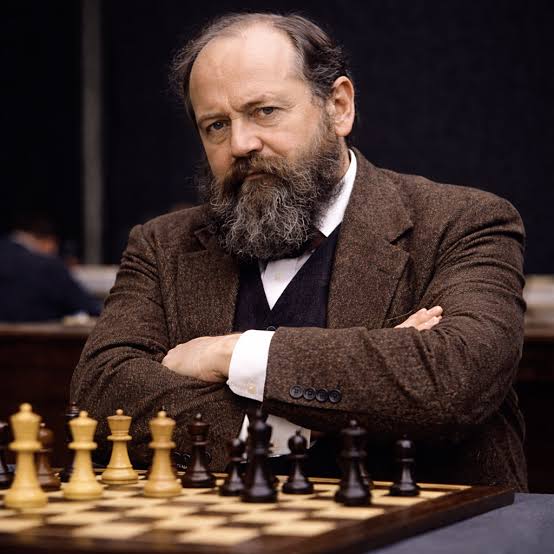
Wilhelm Steinitz
1836–1900 · Austria / USA
The first official world champion (1886) and the father of positional chess. Steinitz replaced the era's romantic all-out attacks with principles that still anchor every curriculum: accumulate small advantages, attack only when the position justifies it, and defend with confidence. He held the crown for eight years and reshaped how the game is understood more than any theorist before or since.
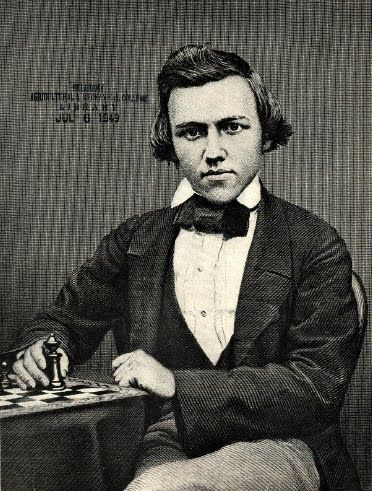
Paul Morphy
1837–1884 · USA
The 'pride and sorrow of chess' dominated every rival of his era. Touring Europe in 1858–59, the young New Orleans lawyer crushed the continent's best, playing with a clarity of development and open lines that was decades ahead of its time. His Opera Game — a miniature played in a Paris theatre box — remains perhaps the most quoted teaching game in history. He retired from serious play before turning twenty-five, leaving a legend built on barely two years of competition.
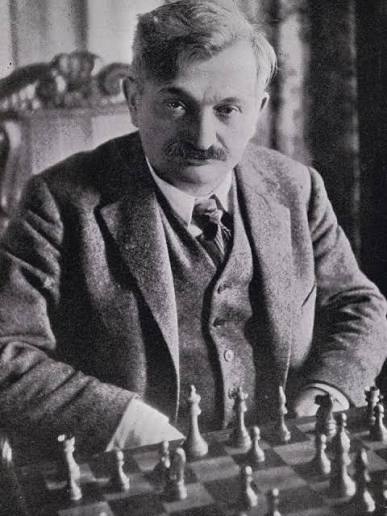
Emanuel Lasker
1868–1941 · Germany
World champion for a record twenty-seven years (1894–1921). A doctor of mathematics and friend of Einstein, Lasker treated chess as a struggle between imperfect humans, deliberately steering games into positions his opponents found uncomfortable. His resilience in bad positions and psychological pragmatism made him nearly unbeatable in matches for a generation.
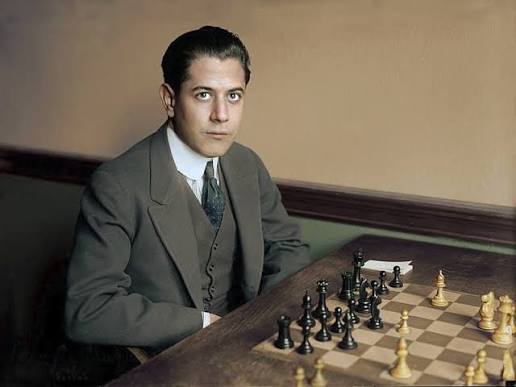
José Raúl Capablanca
1888–1942 · Cuba
The 'Chess Machine' from Havana lost only a handful of serious games in his prime and went eight years without a single defeat. World champion 1921–1927, Capablanca played endgames with such effortless precision that his technique is still the model students are told to study first. His style: simplicity, clarity, and an almost supernatural feel for the right square.
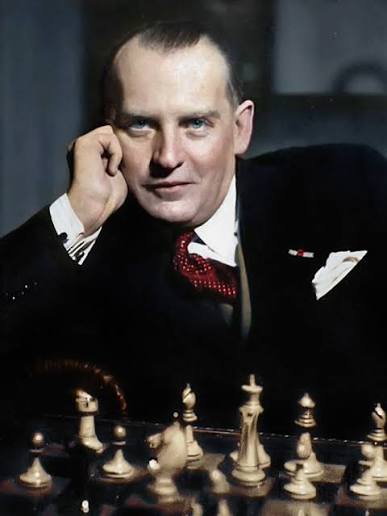
Alexander Alekhine
1892–1946 · Russia / France
World champion 1927–1935 and 1937–1946, Alekhine was a combinational genius whose attacking preparation went deeper than anyone imagined possible. He took on Capablanca — universally considered unbeatable — and won, becoming the first champion to die with the title. His games combine calculation, creativity, and an unrelenting pressure that exhausted opponents mentally as much as tactically.
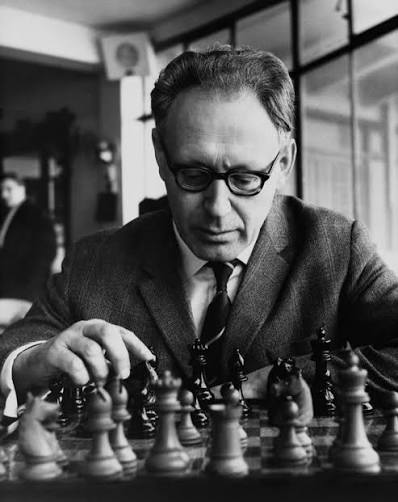
Mikhail Botvinnik
1911–1995 · USSR
Three-time world champion (1948–1963, with two interruptions) and the architect of the Soviet chess school. Botvinnik's approach was scientific: deep opening preparation, rigorous self-analysis of his own games, and a work ethic built on decades-long study plans. He trained Karpov, Kasparov, and Kramnik — three world champions who owe their preparation methods to his school.
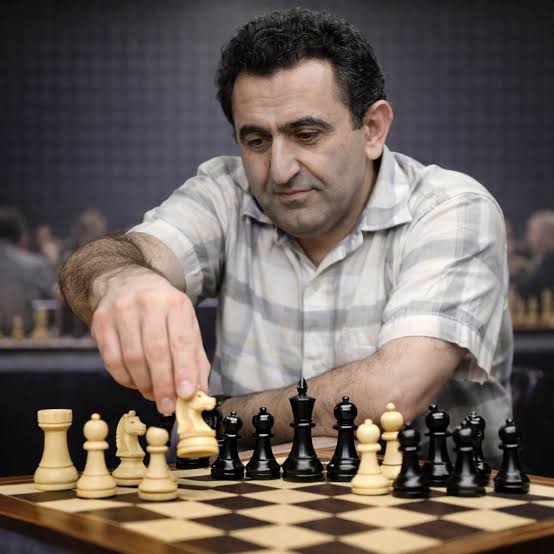
Tigran Petrosian
1929–1984 · Armenia (USSR)
'Iron Tigran', world champion 1963–1969, was the hardest player in history to defeat. A master of prophylaxis — preventing the opponent's plans before they exist — he would sense danger ten moves early and quietly dissolve it. His positional exchange sacrifices, giving up rook for bishop or knight for long-term control, became a strategic weapon every top player now studies.
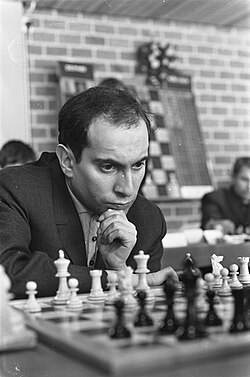
Mikhail Tal
1936–1992 · USSR (Latvia)
The 'Magician from Riga' was the most audacious attacker in the game's history. World champion 1960–61, Tal sacrificed material with an abandon that paralysed opponents — not always objectively sound, but subjectively devastating. He once said he aimed to 'take his opponent into a dark forest where 2+2=5'. His games remain the most entertaining ever played.
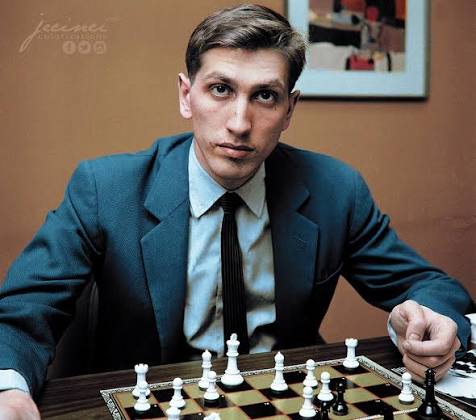
Bobby Fischer
1943–2008 · USA
The most celebrated chess prodigy of the twentieth century and perhaps the most naturally gifted player in history. Fischer became US champion at fourteen and won the 1972 World Championship — against Spassky, in the full glare of the Cold War — with a combination of tactical brilliance and clinical positional understanding that still astonishes. His 20-game winning streak in 1970–71 Candidates play has never been remotely approached.
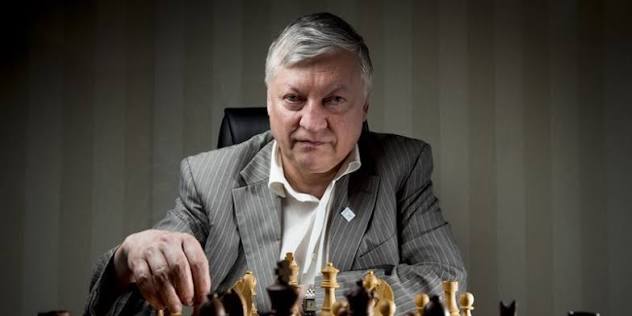
Anatoly Karpov
1951 – · USSR / Russia
World champion 1975–1985, Karpov won the title without playing Fischer — who forfeited — and then proved it over a decade of dominance. His style is the ultimate expression of quiet positional pressure: slowly improving every piece, restricting the opponent's options, and converting tiny advantages with clinical precision. He won more tournaments than any player in history.
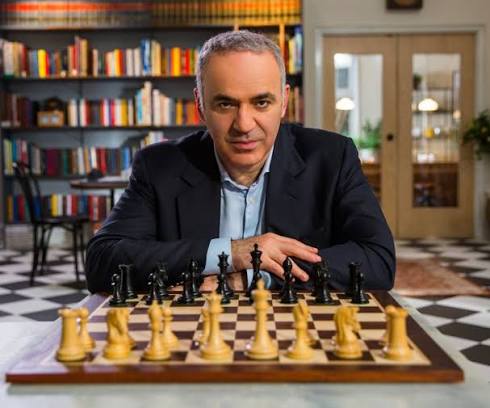
Garry Kasparov
1963 – · USSR / Russia
World champion 1985–2000 and widely considered the greatest player of all time. Kasparov combined Karpov's positional depth with Fischer's dynamism and an intensity at the board that no opponent ever found comfortable. He held the world number-one ranking for a record 255 months. His 1997 loss to IBM's Deep Blue — the first time a champion fell to a machine — marked a turning point for the sport's relationship with technology.
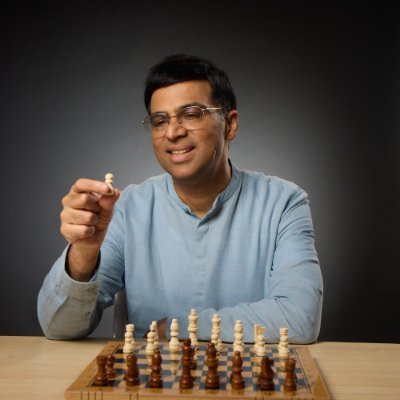
Viswanathan Anand
1969 – · India
Five-time world champion (1995–2014 across multiple formats) and the first player from Asia to hold the undisputed title. 'Vishy' Anand is known for his lightning speed of calculation, his encyclopaedic opening knowledge, and his ability to reinvent his style across four decades — first as a speed prodigy, then as a deep preparator, then as an elder statesman still capable of defeating anyone on a given day.
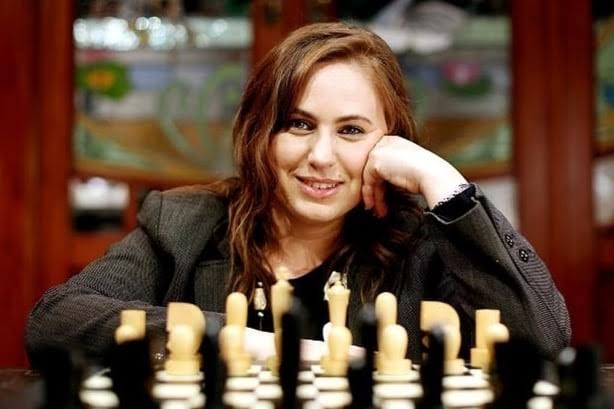
Judit Polgár
1976 – · Hungary
The strongest female chess player in history — and the only one to reach the world top ten among men. Trained from early childhood by her father alongside her two sisters, Judit became a grandmaster at fifteen (breaking Fischer's record) and defeated Kasparov, Karpov, Anand, and Carlsen during her career. Her existence disproved every claim that women could not compete at the highest level.
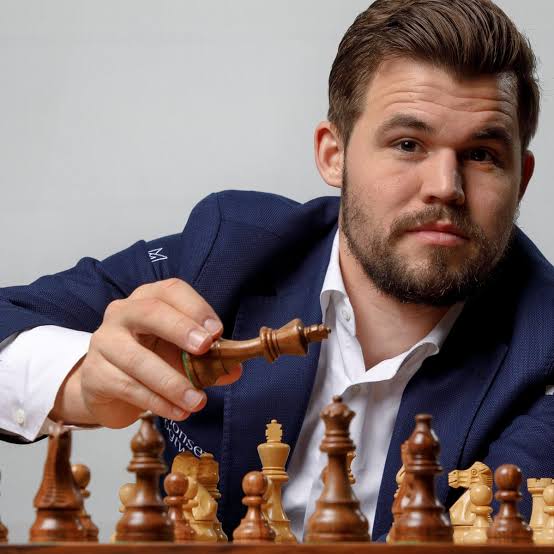
Magnus Carlsen
1990 – · Norway
The highest-rated player in history (peak 2882 in 2014) and world champion 2013–2023. Carlsen plays all phases with equal brilliance but is most feared for his endgame — he converts microscopic advantages into wins by grinding opponents down over five or six hours, a technique so reliable it has been called the 'squeeze'. He voluntarily relinquished the classical world championship in 2023, remaining the undisputed best player on Earth.
Words of the Masters
What the greatest players of each era had to say about the game itself.
Chess is, above all, a fight.
Emanuel Lasker
World Champion 1894–1921
When you see a good move, look for a better one.
Emanuel Lasker
World Champion 1894–1921
To succeed in chess, you must study the endgame before everything else.
José Raúl Capablanca
World Champion 1921–1927
Chess, like love, like music, has the power to make men happy.
Siegbert Tarrasch
Leading player, 1880s–1910s
You must take your opponent into a deep dark forest where 2+2=5, and the path leading out is only wide enough for one.
Mikhail Tal
World Champion 1960–61
However hopeless the situation appears to be, there yet always exists the possibility of putting up a stubborn resistance.
Paul Keres
Perennial world-title contender
Play the opening like a book, the middle game like a magician, and the endgame like a machine.
Rudolf Spielmann
Attacking specialist, early 1900s
Sorted by birth year. Photographs provided by the site owner.
أساطير الشطرنج
من مقصورة أوبرا مورفي إلى تصنيف كارلسن القياسي — اللاعبون الذين عرّفوا كل عصر من عصور اللعبة. سير ذاتية أصلية كُتبت لـTeachingChess.
Wilhelm Steinitz
1836–1900 · النمسا / الولايات المتحدة
أول بطل عالمي رسمي (1886) وأبو الشطرنج الموضعي. استبدل شتاينيتز الهجمات الرومانسية بمبادئ لا تزال تُدرَّس: تراكم الأفضليات الصغيرة، والهجوم فقط حين يستوجبه الموقف، والدفاع بثقة. أعاد تشكيل فهم اللعبة أكثر من أي مُنَظِّر قبله أو بعده.
Paul Morphy
1837–1884 · الولايات المتحدة
«فخر الشطرنج وحزنه» هيمن على كل منافسيه في عصره. جاب أوروبا عام 1858-1859 محطمًا صفوة لاعبيها، وكانت رؤيته للتطوير والخطوط المفتوحة تسبق عصره بعقود. مباراته في الأوبرا لا تزال أكثر المباريات التعليمية المقتبسة في التاريخ. اعتزل اللعب قبل بلوغه الخامسة والعشرين، تاركًا أسطورة بُنيت على سنتين فقط من المنافسة.
Emanuel Lasker
1868–1941 · ألمانيا
بطل العالم لفترة قياسية سبعة وعشرين عامًا (1894-1921). دكتور في الرياضيات وصديق أينشتاين، عامل لاسكر الشطرنج كصراع بين بشر ناقصين، وتعمّد قيادة المباريات إلى مواقف يجد فيها خصومه أنفسهم في ضائقة. صموده في المواقف الصعبة وبراغماتيته النفسية جعلاه شبه منيع في المباريات جيلًا كاملًا.
José Raúl Capablanca
1888–1942 · كوبا
«الآلة الشطرنجية» من هافانا خسر حفنةً فحسب من المباريات الجدية في أوج قدرته، وقضى ثماني سنوات دون هزيمة واحدة. بطل العالم 1921-1927، لعب كاپابلانكا النهايات بدقة لا تكلّف فيها لدرجة أن أسلوبه لا يزال النموذج الذي يُنصح الطلاب بدراسته أولًا.
Alexander Alekhine
1892–1946 · روسيا / فرنسا
بطل العالم 1927-1935 و1937-1946، كان أليخين عبقريًا في التوليفات وعمقه التحليلي فاق ما تخيّله أحد. هزم كاپابلانكا الذي كان يُعدّ لا يُقهر، وكان أول بطل يموت حاملًا اللقب. مباريات أليخين تجمع الحساب والإبداع وضغطًا لا يهدأ يُنهك الخصوم ذهنيًا بقدر ما ينهكهم تكتيكيًا.
Mikhail Botvinnik
1911–1995 · الاتحاد السوفيتي
بطل عالم ثلاث مرات (1948-1963 بانقطاعين) ومهندس المدرسة السوفيتية للشطرنج. نهجه علمي: تحضير عميق في الافتتاحيات، وتحليل صارم لمباراته الخاصة، وأخلاقيات عمل مبنية على خطط دراسية تمتد لعقود. درّب كارپوف وكاسپاروف وكراميك — ثلاثة أبطال عالم مدينون لمدرسته في أساليب تحضيرهم.
Tigran Petrosian
1929–1984 · أرمينيا (الاتحاد السوفيتي)
«طيغران الحديد»، بطل العالم 1963-1969، كان الأصعب هزيمةً في التاريخ. أستاذ الوقاية — منع خطط الخصم قبل أن توجد — كان يشعر بالخطر قبل عشر نقلات ويذيبه هادئًا. تضحياته بالنوعية في المواقف الموضعية — تسليم رخ مقابل فيل أو حصان لقاء سيطرة طويلة الأمد — أصبحت سلاحًا استراتيجيًا يدرسه كل لاعب كبير.
Mikhail Tal
1936–1992 · الاتحاد السوفيتي (لاتفيا)
«ساحر ريغا» كان أجرأ مهاجم في تاريخ اللعبة. بطل العالم 1960-61، ضحّى بالمادة بجرأة شلّت خصومه — لم يكن ذلك دائمًا صحيحًا موضوعيًا، لكنه كان مدمّرًا ذاتيًا. قال مرةً إنه يهدف إلى «أخذ خصمه إلى غابة مظلمة حيث 2+2=5». مباراته لا تزال الأكثر إمتاعًا على الإطلاق.
Bobby Fischer
1943–2008 · الولايات المتحدة
أشهر عبقري شطرنج في القرن العشرين وربما أكثر لاعب موهوب طبيعيًا في التاريخ. أصبح بطلًا لأمريكا في الرابعة عشرة، وفاز بالبطولة العالمية 1972 — ضد سباسكي، في قلب الحرب الباردة — بمزيج من البراعة التكتيكية والفهم الموضعي الذي لا يزال يُذهل. سلسلة انتصاراته العشرين في مباريات المتحديين 1970-71 لم يقترب أحد منها بعد.
Anatoly Karpov
1951 – · الاتحاد السوفيتي / روسيا
بطل العالم 1975-1985، حصل كارپوف على اللقب دون مواجهة فيشر — الذي تنازل — ثم أثبت استحقاقه بعقد من الهيمنة. أسلوبه هو التعبير الأمثل عن الضغط الموضعي الهادئ: تحسين كل قطعة تدريجيًا، وتضييق خيارات الخصم، وتحويل الأفضليات الصغيرة بدقة إكلينيكية. فاز في بطولات أكثر من أي لاعب في التاريخ.
Garry Kasparov
1963 – · الاتحاد السوفيتي / روسيا
بطل العالم 1985-2000 ويُعدّ على نطاق واسع أعظم لاعب على الإطلاق. جمع كاسپاروف عمق كارپوف الموضعي مع ديناميكية فيشر وحدة في مواجهة الخصوم لم يجدها أحد مريحة. احتل المرتبة الأولى عالميًا قياسيًا 255 شهرًا. هزيمته عام 1997 أمام ديب بلو من IBM — أول مرة يخسر فيها بطل أمام آلة — شكّلت نقطة تحول في علاقة الرياضة بالتكنولوجيا.
Viswanathan Anand
1969 – · الهند
بطل عالم خمس مرات (1995-2014 بأشكال متعددة) وأول لاعب آسيوي يحمل اللقب غير المتنازع عليه. يُعرف «فيشي» أناند بسرعة حسابه البرقية ومعرفته الموسوعية بالافتتاحيات وقدرته على إعادة اختراع أسلوبه عبر أربعة عقود — ابتداءً كعبقري سرعة، ثم كمُعِدّ عميق، ثم كشيخ إكليل لا يزال قادرًا على هزيمة أي لاعب في يوم واحد.
Judit Polgár
1976 – · المجر
أقوى لاعبة شطرنج في التاريخ — والوحيدة التي بلغت أعلى عشرة في العالم بين الرجال. درّبها والدها منذ الطفولة المبكرة مع أختيها، وحصلت يوديت على لقب الأستاذ الكبير في الخامسة عشرة كاسرةً رقم فيشر القياسي، وهزمت كاسپاروف وكارپوف وأناند وكارلسن خلال مسيرتها. وجودها دحض كل ادعاء بأن المرأة لا تستطيع المنافسة على أعلى المستويات.
Magnus Carlsen
1990 – · النرويج
أعلى لاعب تصنيفًا في التاريخ (ذروة 2882 عام 2014) وبطل عالم 2013-2023. يلعب كارلسن كل مراحل اللعبة ببراعة متساوية لكن أكثر ما يخشاه المنافسون هو قدرته في النهايات — يحوّل أفضليات مجهرية إلى انتصارات بطحن خصومه على مدى خمس أو ست ساعات، في تقنية موثوقة لدرجة تُسمّى «العصر». تخلّى طوعًا عن بطولة العالم الكلاسيكية عام 2023، لا يزال أفضل لاعب على وجه الأرض دون منازع.
من أقوال الأساتذة
ما قاله أعظم اللاعبين في كل عصر عن اللعبة نفسها.
الشطرنج، قبل كل شيء، معركة.
إيمانويل لاسكر
بطل العالم 1894–1921
عندما ترى نقلة جيدة، ابحث عن نقلة أفضل منها.
إيمانويل لاسكر
بطل العالم 1894–1921
لتنجح في الشطرنج، عليك أن تدرس نهاية المباراة قبل كل شيء آخر.
خوسيه راؤول كابابلانكا
بطل العالم 1921–1927
الشطرنج، كالحب، كالموسيقى، له القدرة على إسعاد الناس.
زيغبرت تاراش
من كبار اللاعبين، 1880–1910
عليك أن تأخذ خصمك إلى غابة مظلمة عميقة حيث 2+2=5، والطريق للخروج منها لا يتسع إلا لواحد فقط.
ميخائيل تال
بطل العالم 1960–1961
مهما بدا الموقف ميؤوسًا منه، تبقى دائمًا إمكانية إبداء مقاومة عنيدة.
بول كيريس
منافس دائم على لقب العالم
العب الافتتاحية كأنك تقرأ كتابًا، ووسط المباراة كساحر، والنهاية كآلة.
رودولف شبيلمان
متخصص هجومي، أوائل القرن العشرين
الصور عبارة عن ظلال مصمَّمة أصلية، وليست صورًا فوتوغرافية. يمكن لمالك الموقع إضافة صور تاريخية مرخّصة لاحقًا إذا رغب.
The History of Chess
How a game invented to train Gupta-era soldiers became the most played strategy game on Earth.
A quick map of the highlights above — the full story is below.
From war game to world game
Chess is roughly a millennium and a half old, and in that time it has crossed empires, survived religious bans, been redesigned twice, and outlived the very civilizations that first played it. What follows is the long version of how sixty-four squares became one of the most enduring inventions in human history.
India, around the 6th century — Chaturanga
The earliest ancestor most historians agree on is chaturanga, played in Gupta-era India. Its name means “four divisions [of the military]” — infantry, cavalry, elephantry, and chariotry — which became, in time, the pawn, knight, bishop, and rook. The game modeled an army protecting its king, and that basic framing has never really changed: every version of chess since has been, at heart, a war game played on a grid.
Persia and the Islamic Golden Age — Shatranj
Chaturanga crossed into Persia by the 600s, where it became shatranj. The Arabic word for the king in check, “shah,” and the phrase for checkmate, “shah mat” (“the king is helpless/dead”), both survive almost unchanged in the modern word “checkmate.” After the Islamic conquests of the 7th century, shatranj spread across the Middle East, North Africa, and eventually Muslim Spain. Islamic scholars took the game seriously as an intellectual pursuit: they wrote the first known chess literature, composed early puzzle collections (called mansubat), and studied openings systematically — centuries before Europe did the same.
Reaching Europe — by land and by sea
Chess entered Europe by at least two routes: through Muslim-controlled Spain and Sicily, and via Byzantine trade contacts with Russia and the Balkans. By the year 1000, it was known from Spain to Scandinavia. Medieval European chess kept shatranj's slow pieces — the piece we now call the queen (“fers”/“ferz”) could only move one square diagonally, and the bishop (“alfil”) leapt exactly two squares. Games were correspondingly slow, and it shows in the surviving medieval chess manuscripts, which read more like devotional or moral texts than sport.
1475 — the “Mad Queen” reform
Modern chess was essentially invented in southern Europe — Spain and Italy — in the final decades of the 15th century. In a single set of changes, the queen went from the weakest piece on the board to the strongest, gaining the rook's straight lines and the bishop's diagonals combined; the bishop was given its full diagonal range; and pawns won the option of a two-square first move (with en passant following soon after). Contemporaries nicknamed the new game “Queen's chess” or, less flatteringly, “mad queen chess” — because a piece with that much power on the board felt genuinely radical. This is, essentially, the chess still played today.
The Romantic Era — sacrifice over safety
From the 1700s through the mid-1800s, chess theory was dominated by attack for its own sake. François-André Danican Philidor argued in 1749 that “pawns are the soul of chess,” a genuinely modern idea centuries ahead of its time — but the era's signature games belonged to reckless brilliance, not structure. The peak is Adolf Anderssen's 1851 Immortal Game and 1852 Evergreen Game, in which he sacrificed enormous material — queen, both rooks, a bishop — to deliver forced mates. American Paul Morphy, active for barely two competitive years (1857–59) before retiring at 22, is still considered the purest attacking talent the Romantic era produced.
1886 — the first official World Championship
Organized, high-stakes competition arrived with London 1851, the first true international tournament, won by Adolf Anderssen. But it was Wilhelm Steinitz — who defeated Johannes Zukertort in a match across New York, St. Louis, and New Orleans in 1886 — who became recognized as the first official World Champion. Steinitz's real legacy wasn't the title itself but a theory: he argued chess could be won through the patient accumulation of small, provable advantages — better pawn structure, safer king position, superior piece activity — rather than through romantic combination-hunting. This “positional” or “scientific” school still underpins how the game is taught.
The Soviet School and the Hypermoderns
The early 20th century brought “hypermodernism” — Richard Réti, Aron Nimzowitsch, and others argued that controlling the center didn't require occupying it with pawns; pieces could pressure it from a distance instead. After the 1917 revolution, the Soviet Union treated chess as a matter of state prestige, funding schools, coaches, and a professional circuit unmatched anywhere else. From 1948 (Mikhail Botvinnik) until 1972, every World Champion but one was Soviet — a run including Tal, Petrosian, and Spassky that produced some of the deepest theoretical work in the game's history.
1972 — the Match of the Century
That Soviet run was broken by an American. Bobby Fischer's 1972 World Championship match against Boris Spassky in Reykjavík, Iceland, played out as a genuine Cold War proxy battle, covered by front-page news around the world. Fischer's dominance — including a run of Candidates wins by lopsided 6–0 scores — and his fierce perfectionism about tournament conditions made the match as much a cultural event as a sporting one. He won, then largely withdrew from competitive chess for two decades.
1997 — the machines arrive
Garry Kasparov, World Champion from 1985 and arguably the strongest player of the 20th century, lost a six-game match to IBM's Deep Blue supercomputer in 1997 — the first time a reigning champion had been beaten by a machine under tournament conditions. It reset the sport's relationship with computers: engines went from curiosities to essential training tools within a decade, and by the 2010s no human could beat the strongest engines under any conditions at all.
Chess today — the online era
In 2017, Google DeepMind's AlphaZero learned chess from scratch through self-play in under a day and then defeated the world's strongest conventional engine — playing with a strikingly aggressive, sacrificial style that surprised grandmasters. Combined with the rise of online platforms, livestreamed tournaments, and a pandemic-era surge in casual play (accelerated further by cultural moments like The Queen's Gambit), chess is now played more often, by more people, than at any point in its 1,500-year history — a war game from Gupta India still being played out, one square at a time, on phones around the world.
The starting position — the same 32 pieces, the same 64 squares, essentially unchanged since 1475.
تاريخ الشطرنج
كيف تحولت لعبة اخترعت لتدريب جنود عصر غوبتا إلى أكثر لعبة استراتيجية لعبًا على وجه الأرض.
خريطة سريعة لأبرز المحطات أعلاه — والقصة الكاملة أدناه.
من لعبة حربية إلى لعبة العالم
يبلغ عمر الشطرنج نحو ألف وخمسمئة عام، عبرت خلالها إمبراطوريات، ونجت من حظرٍ دينيّ، وأُعيد تصميمها مرتين، وبقيت بعد زوال الحضارات التي ابتكرتها. وفيما يلي القصة الكاملة لكيف تحوّلت 64 مربعًا إلى واحدة من أعرق الاختراعات في تاريخ البشرية.
الهند، نحو القرن السادس الميلادي — الشطرنج الهندي (تشاتورانغا)
يتفق معظم المؤرخين على أن أقدم سلف لهذه اللعبة هو “تشاتورانغا”، الذي لُعب في الهند في عصر أسرة غوبتا. يعني اسمها “الفرق العسكرية الأربعة”: المشاة، والفرسان، والفيلة، والعربات الحربية — وهي التي تحوّلت مع الزمن إلى البيدق، والحصان، والفيل، والرخ. كانت اللعبة تُحاكي جيشًا يحمي ملكه، وهذا الإطار الأساسي لم يتغيّر فعليًا: فكل نسخة من الشطرنج منذ ذلك الحين هي في جوهرها لعبة حربية تُلعب على شبكة مربعات.
بلاد فارس والعصر الذهبي الإسلامي — الشطرنج (شطرنج)
انتقلت تشاتورانغا إلى بلاد فارس بحلول القرن السابع الميلادي، حيث أصبحت تُعرف باسم “الشطرنج”. وكلمة “شاه” العربية-الفارسية للملك المكشوف، وعبارة “شاه مات” (أي “الملك عاجز/ميت”) بقيتا شبه كما هما في كلمة “checkmate” الإنجليزية الحديثة. وبعد الفتوحات الإسلامية في القرن السابع، انتشر الشطرنج عبر الشرق الأوسط وشمال أفريقيا وصولًا إلى الأندلس. وقد تعامل العلماء المسلمون مع اللعبة بجدية بوصفها نشاطًا فكريًا: فكتبوا أول مؤلفات معروفة عن الشطرنج، وألّفوا مجموعات ألغاز مبكرة (تُعرف بـ“المنصوبات”)، ودرسوا الافتتاحيات بشكل منهجي — قبل قرون من أن تفعل أوروبا الشيء نفسه.
الوصول إلى أوروبا — برًا وبحرًا
دخل الشطرنج أوروبا عبر طريقين على الأقل: من خلال الأندلس وصقلية اللتين كانتا تحت الحكم الإسلامي، وعبر الاتصالات التجارية البيزنطية مع روسيا والبلقان. وبحلول عام 1000م، كانت اللعبة معروفة من إسبانيا إلى الدول الاسكندنافية. وحافظ الشطرنج الأوروبي في العصور الوسطى على القطع البطيئة نفسها: فالقطعة التي نسمّيها اليوم “الوزير” كانت تتحرك مربعًا واحدًا فقط بشكل قطري، والفيل كان يقفز مربعين بالضبط. وكانت المباريات بطيئة تبعًا لذلك، وهذا واضح في مخطوطات الشطرنج التي بقيت من تلك الحقبة، والتي تُقرأ وكأنها نصوص أخلاقية أو دينية أكثر من كونها نصوصًا رياضية.
1475 — إصلاح “الوزير المجنون”
وُلد الشطرنج الحديث فعليًا في جنوب أوروبا — إسبانيا وإيطاليا — في العقود الأخيرة من القرن الخامس عشر. ففي مجموعة واحدة من التغييرات، تحوّل الوزير من أضعف قطعة على الرقعة إلى أقواها، مكتسبًا حركة الرخ المستقيمة وحركة الفيل القطرية معًا؛ ومُنح الفيل مداه القطري الكامل؛ وحصل البيدق على خيار التقدم مربعين في حركته الأولى (تلاه “الأخذ في المرور” بعد ذلك بقليل). وأطلق معاصرو تلك الحقبة على اللعبة الجديدة اسم “شطرنج الوزيرة” أو، بأقل لطفًا، “شطرنج الوزير المجنون” — لأن قطعة بهذا القدر من القوة على الرقعة بدت حينها جذرية بالفعل. وهذا هو، في جوهره، الشطرنج الذي لا يزال يُلعب اليوم.
العصر الرومانسي — التضحية قبل السلامة
من القرن الثامن عشر حتى منتصف القرن التاسع عشر، سيطرت على نظرية الشطرنج فكرة الهجوم من أجل الهجوم نفسه. جادل فرانسوا-أندريه دانيكان فيليدور عام 1749 بأن “البيادق هي روح الشطرنج” — وهي فكرة حديثة فعليًا سبقت عصرها بقرون — لكن المباريات المميزة لتلك الحقبة كانت تنتمي إلى العبقرية المتهورة لا إلى البنية المتماسكة. وتُمثّل الذروة مباراتا أدولف أندرسن “الخالدة” عام 1851 و“الخضراء الدائمة” عام 1852، حيث ضحّى بمواد هائلة — الوزيرة، والرخّان، وفيل — لتحقيق كش ملك إجباري. أما الأمريكي بول مورفي، الذي لم يلعب تنافسيًا سوى عامين بالكاد (1857-1859) قبل اعتزاله في سن الثانية والعشرين، فلا يزال يُعتبر أنقى موهبة هجومية أنتجها العصر الرومانسي.
1886 — أول بطولة عالمية رسمية
بدأت المنافسات المنظمة وذات الشأن الكبير مع بطولة لندن عام 1851، أول بطولة دولية حقيقية، وفاز بها أدولف أندرسن. لكن فيلهلم شتاينيتز — الذي هزم يوهانس تسوكرتورت في مباراة أُقيمت بين نيويورك وسانت لويس ونيو أورلينز عام 1886 — هو من عُدّ أول بطل عالمي رسمي. ولم يكن إرثُ شتاينيتز الحقيقي هو اللقب نفسه، بل نظرية بأكملها: فقد جادل بأن الشطرنج يمكن كسبه من خلال التراكم الصبور للمزايا الصغيرة القابلة للإثبات — بنية بيادق أفضل، موقع ملك أكثر أمانًا، نشاط قطع متفوق — بدلًا من مطاردة التوليفات الرومانسية. وما زالت هذه المدرسة “الموضعية” أو “العلمية” أساسًا لكيفية تدريس اللعبة حتى اليوم.
المدرسة السوفيتية والحداثيون الفائقون
جلبت بدايات القرن العشرين “الحداثة الفائقة” — حيث جادل ريتشارد ريتي وآرون نيمتسوفيتش وآخرون بأن السيطرة على المركز لا تتطلب احتلاله بالبيادق؛ إذ يمكن للقطع الضغط عليه من بعيد بدلًا من ذلك. وبعد ثورة 1917، تعامل الاتحاد السوفيتي مع الشطرنج بوصفه مسألة هيبة وطنية، فموّل المدارس والمدربين ودوريًا احترافيًا لا مثيل له في أي مكان آخر. ومنذ عام 1948 (ميخائيل بوتفينيك) وحتى عام 1972، كان كل بطل عالمي باستثناء واحد سوفيتيًا — سلسلة ضمت تال وبتروسيان وسباسكي، وأنتجت بعضًا من أعمق الأعمال النظرية في تاريخ اللعبة.
1972 — مباراة القرن
كسر أمريكي واحد تلك السلسلة السوفيتية. فقد جرت مباراة بوبي فيشر لبطولة العالم عام 1972 ضد بوريس سباسكي في ريكيافيك بآيسلندا وكأنها معركة حقيقية بالوكالة في الحرب الباردة، وتصدّرت عناوين الصحف حول العالم. وجعلت سيطرة فيشر — بما في ذلك سلسلة انتصاراته في دور المرشحين بنتائج ساحقة 6-0 — وكماليته الحادة بشأن ظروف البطولة، من هذه المباراة حدثًا ثقافيًا بقدر ما كانت حدثًا رياضيًا. وفاز فيشر باللقب، ثم اعتزل اللعب التنافسي إلى حد كبير لعقدين من الزمن.
1997 — وصول الآلات
خسر غاري كاسباروف، بطل العالم منذ عام 1985 ويُعدّ على الأرجح أقوى لاعب في القرن العشرين، مباراة من ست جولات أمام الحاسوب الفائق “ديب بلو” التابع لشركة IBM عام 1997 — وهي المرة الأولى التي يُهزم فيها بطل عالمي حاكم أمام آلة في ظل ظروف بطولة رسمية. وأعادت هذه المباراة تشكيل علاقة اللعبة بالحواسيب: فتحوّلت المحركات من مجرد فضول تقني إلى أدوات تدريب أساسية خلال عقد واحد، وبحلول عقد 2010 لم يعد بإمكان أي إنسان هزيمة أقوى المحركات تحت أي ظرف كان.
الشطرنج اليوم — العصر الرقمي
في عام 2017، تعلّمت “ألفازيرو” التابعة لـ Google DeepMind لعب الشطرنج من الصفر عبر اللعب الذاتي في أقل من يوم واحد، ثم هزمت أقوى محرك تقليدي في العالم — بأسلوب هجومي وتضحوي لافت فاجأ كبار اللاعبين. وبالاقتران مع صعود المنصات الإلكترونية، والبطولات المبثوثة مباشرة، وطفرة اللعب غير الاحترافي في زمن الجائحة (التي تسارعت أكثر بفعل لحظات ثقافية مثل مسلسل “The Queen's Gambit”)، أصبح الشطرنج اليوم يُلعب أكثر من أي وقت مضى في تاريخه الممتد 1500 عام — لعبة حربية من هند عصر غوبتا، لا تزال تُخاض، مربعًا مربعًا، على الهواتف في أنحاء العالم.
وضعية البداية — نفس الـ32 قطعة، ونفس الـ64 مربعًا، دون تغيير يُذكر منذ عام 1475.
Why Do We Play Chess?
Chess has been studied by psychologists and neuroscientists for decades. Here's what the research actually says about what the game does for your mind.
Sharper thinking and better problem-solving
Every move means weighing several options, working out consequences several steps ahead, and deciding under uncertainty — the same mental muscle used in real-world decisions. A widely cited 2016 study by researchers Giovanni Sala and Fernand Gobet found that students given a single weekly chess lesson over a school year showed measurably improved mathematical achievement and overall cognitive performance, with a smaller gain in literacy. The European Parliament took this seriously enough to recommend “Chess in School” programs across the EU in 2012.
A genuine memory workout
Recognizing recurring patterns — a familiar opening, a common tactical motif, a textbook endgame structure — trains the same pattern-recognition machinery your brain uses for memory in general. Reviewing your own games afterward, and studying classic ones played by the masters, builds a kind of structured recall that chess players often notice carrying over into everyday life.
Deeper focus and concentration
A single serious game demands sustained attention from the first move to the last, with real consequences for losing your train of thought even briefly. That trained focus doesn't stay on the board: players who study chess regularly often report better concentration in unrelated schoolwork and daily tasks, and some school chess programs specifically cite improved attention as an early, measurable benefit.
Patience and emotional resilience
Chess moves at a deliberately unhurried pace compared to most competitive activities, which rewards careful, measured thinking over impulsive reaction. Losing is built into the learning process itself — every game gives you a chance to go back and see exactly where things went wrong, without the real-world finality of the mistake. Over many games, that repeated, low-stakes practice at analyzing failure is genuinely good training for resilience.
A calmer mind under pressure
Chess looks sedate from the outside, but a tense position is genuinely stressful — a player's heart rate can climb well above resting levels in a critical moment, comparable to light physical exercise. Practiced regularly inside a calm, rule-bound structure, that pressure becomes something a player learns to sit with rather than avoid. It's part of why some clinicians have started exploring structured chess-based exercises as a supplementary tool in youth mental-health programs — early-stage work, not a replacement for treatment, but a promising direction.
A lifelong investment in brain health
Brain-imaging studies comparing experienced chess players to beginners have found real differences in the regions tied to decision-making and self-control, suggesting the game may help build and reinforce those circuits over years of play. Whether chess specifically slows age-related cognitive decline is still an open, actively studied question — researchers including a long-running Harvard project tracking chess federation members are careful to call the evidence mixed so far — but it's a low-risk, engaging form of mental exercise that's worth the time either way.
You don't have to be a genius
None of this requires becoming a grandmaster. The benefits researchers describe come from regular, engaged play — the same kind available in every course and puzzle on this site, at any age, starting today.
Start learningلماذا نلعب الشطرنج؟
درس علماء النفس والأعصاب الشطرنج لعقود. وفيما يلي ما تقوله الأبحاث فعليًا عمّا تفعله اللعبة بعقلك.
تفكير أوضح وحل أفضل للمشكلات
كل نقلة تعني وزن عدة خيارات، وتوقع نتائجها بعد خطوات عدة، واتخاذ قرار في ظل عدم اليقين — وهي نفس المهارة الذهنية المستخدمة في قرارات الحياة الواقعية. وجدت دراسة مذكورة على نطاق واسع عام 2016 للباحثَين جيوفاني سالا وفرناند غوبيه أن الطلاب الذين تلقوا درسًا واحدًا أسبوعيًا في الشطرنج طوال عام دراسي أظهروا تحسنًا ملموسًا في التحصيل الرياضي والأداء المعرفي العام، مع تحسّن أصغر في القراءة. وقد أخذ البرلمان الأوروبي هذا الأمر على محمل الجد لدرجة أنه أوصى ببرامج “الشطرنج في المدارس” في الاتحاد الأوروبي عام 2012.
تمرين حقيقي للذاكرة
التعرّف على الأنماط المتكررة — افتتاحية مألوفة، فكرة تكتيكية شائعة، بنية نهاية مباراة معروفة — يُدرّب نفس آلية التعرّف على الأنماط التي يستخدمها دماغك للذاكرة بشكل عام. مراجعة مبارياتك الخاصة لاحقًا، ودراسة المباريات الكلاسيكية التي لعبها الكبار، يبني نوعًا من الاستحضار المنظّم غالبًا ما يلاحظ لاعبو الشطرنج انتقاله إلى حياتهم اليومية.
تركيز وانتباه أعمق
المباراة الجادة الواحدة تتطلب انتباهًا مستمرًا من النقلة الأولى حتى الأخيرة، مع عواقب حقيقية لفقدان خيط التفكير ولو للحظة. وهذا التركيز المُدرَّب لا يبقى حبيس الرقعة: فاللاعبون الذين يدرسون الشطرنج بانتظام غالبًا ما يُفيدون بتركيز أفضل في واجباتهم المدرسية ومهامهم اليومية غير المرتبطة باللعبة، وتذكر بعض برامج الشطرنج المدرسية تحسّن الانتباه تحديدًا كفائدة مبكرة وقابلة للقياس.
صبر ومرونة عاطفية
يسير الشطرنج بوتيرة متأنية عمدًا مقارنة بمعظم الأنشطة التنافسية، وهو ما يكافئ التفكير الحذر المتزن على حساب رد الفعل الاندفاعي. والخسارة جزء أساسي من عملية التعلّم نفسها — فكل مباراة تمنحك فرصة للعودة ورؤية أين حدث الخطأ بالضبط، دون النهائية الواقعية للخطأ. وعبر مباريات عديدة، يشكّل هذا التدرّب المتكرر منخفض المخاطر على تحليل الفشل تدريبًا حقيقيًا جيدًا على المرونة.
هدوء ذهني أكبر تحت الضغط
يبدو الشطرنج هادئًا من الخارج، لكن الموقف المتوتر مُجهِد فعليًا — إذ يمكن أن يرتفع معدل ضربات قلب اللاعب كثيرًا فوق معدله الطبيعي في لحظة حاسمة، بما يعادل نشاطًا بدنيًا خفيفًا. وعند التمرّن على ذلك بانتظام ضمن بنية هادئة ومحكومة بقواعد، يتحوّل هذا الضغط إلى شيء يتعلّم اللاعب التعايش معه بدلًا من تجنّبه. وهذا جزء من سبب بدء بعض المختصين باستكشاف تمارين قائمة على الشطرنج كأداة مساعدة في برامج الصحة النفسية للشباب — وهو عمل في مراحله المبكرة، وليس بديلاً عن العلاج، لكنه اتجاه واعد.
استثمار طويل الأمد في صحة الدماغ
وجدت دراسات بالتصوير الدماغي قارنت لاعبي شطرنج ذوي خبرة بمبتدئين فروقًا حقيقية في المناطق المرتبطة باتخاذ القرار وضبط النفس، مما يشير إلى أن اللعبة قد تساعد في بناء وتعزيز تلك الدارات عبر سنوات من اللعب. أما ما إذا كان الشطرنج تحديدًا يبطئ التراجع المعرفي المرتبط بالعمر فهو سؤال مفتوح لا يزال قيد الدراسة الفعلية — وحتى الباحثون في مشروع هارفارد طويل الأمد الذي يتابع أعضاء اتحادات الشطرنج يصفون الأدلة بأنها متضاربة حتى الآن — لكنه يبقى شكلاً من التمرين الذهني الممتع ومنخفض المخاطر يستحق الوقت المستثمر فيه على أي حال.
لست بحاجة لأن تكون عبقريًا
لا شيء من هذا يتطلب أن تصبح أستاذًا كبيرًا. الفوائد التي يصفها الباحثون تأتي من اللعب المنتظم والمُنخرط فيه — وهو بالضبط ما تجده في كل دورة ولغز على هذا الموقع، في أي عمر، ابتداءً من اليوم.
ابدأ التعلمLoading...
جارٍ التحميل...
Recommended Movies
Films and series that capture the drama, discipline, and heart of chess. A personal watch-list — we are not affiliated with any of these titles.
The Queen’s Gambit
2020 · Miniseries
An orphaned prodigy rises through the male-dominated chess world of the 1960s while wrestling with her own demons. Widely credited with sparking a global chess revival.
Searching for Bobby Fischer
1993 · Family drama
A gifted young boy, and the adults who push and mentor him, learn that winning is not everything. Gentle and genuinely moving — ideal for families.
Queen of Katwe
2016 · True story
A girl from a Kampala slum discovers a rare talent for chess and plays her way toward a wider world. Uplifting, and based on real events.
Magnus
2016 · Documentary
Follows Magnus Carlsen from child prodigy to World Champion, with rare home footage. A window into how a modern great is made.
Fahim — The Little Prince of Chess
2019 · True story
A young Bangladeshi refugee in France finds hope and belonging through the game. Warm and family-friendly.
Bobby Fischer Against the World
2011 · Documentary
A sober, fascinating look at the genius and unraveling of chess’s most famous champion. (Mature themes.)
Pawn Sacrifice
2014 · Biographical drama
A dramatization of Bobby Fischer’s turbulent road to the 1972 World Championship at the peak of the Cold War. (Mature themes.)
The Luzhin Defence
2000 · Drama
A troubled grandmaster falls in love during a career-defining tournament, adapted from Nabokov’s novel. (Mature themes.)
Please check age ratings before watching with younger players.
أفلام مقترحة
أفلام ومسلسلات تلتقط دراما الشطرنج وانضباطه وروحه. قائمة مشاهدة شخصية — ولسنا مرتبطين بأيٍّ من هذه الأعمال.
The Queen’s Gambit
2020 · مسلسل قصير
موهوبة يتيمة تصعد في عالم الشطرنج الذي يهيمن عليه الرجال في الستينيات وهي تصارع شياطينها الخاصة. يُنسب إليه إشعال نهضة عالمية في اللعبة.
Searching for Bobby Fischer
1993 · دراما عائلية
صبي موهوب، والكبار الذين يدفعونه ويرشدونه، يتعلمون أن الفوز ليس كل شيء. عمل رقيق ومؤثر فعلًا — مثالي للعائلات.
Queen of Katwe
2016 · قصة حقيقية
فتاة من أحد أحياء كمبالا الفقيرة تكتشف موهبة نادرة في الشطرنج وتشقّ طريقها نحو عالم أوسع. عمل ملهم مبني على أحداث حقيقية.
Magnus
2016 · فيلم وثائقي
يتابع ماغنوس كارلسن من طفل معجزة إلى بطل للعالم، بلقطات منزلية نادرة. نافذة على كيفية صناعة عظيم معاصر.
Fahim
2019 · قصة حقيقية
لاجئ بنغلاديشي صغير في فرنسا يجد الأمل والانتماء عبر اللعبة. عمل دافئ ومناسب للعائلة.
Bobby Fischer Against the World
2011 · فيلم وثائقي
نظرة رصينة وآسرة على عبقرية أشهر أبطال الشطرنج وانهياره. (مواضيع للكبار.)
Pawn Sacrifice
2014 · دراما سيرة
تجسيد لطريق بوبي فيشر المضطرب نحو بطولة العالم 1972 في ذروة الحرب الباردة. (مواضيع للكبار.)
The Luzhin Defence
2000 · دراما
أستاذ كبير مضطرب يقع في الحب خلال بطولة مفصلية في مسيرته، مقتبس عن رواية نابوكوف. (مواضيع للكبار.)
يرجى التحقق من التصنيف العمري قبل المشاهدة مع اللاعبين الصغار.
Recommended Books
A shelf of classics, grouped roughly from first steps to serious study. Descriptions are our own; we are not affiliated with any publisher.
Bobby Fischer Teaches Chess
Fischer, Margulies & Mosenfelder · Beginner
A classic step-by-step course that builds checkmate vision one small idea at a time. Still one of the friendliest first books ever written.
Logical Chess: Move by Move
Irving Chernev · Beginner–Intermediate
Complete games explained one move at a time, with the reasoning behind every single move. Superb for finally understanding “why.”
Chess Fundamentals
José Raúl Capablanca · Beginner–Intermediate
Timeless first principles from a World Champion famed for clarity and simplicity. A short book you can re-read for years.
The Amateur’s Mind
Jeremy Silman · Intermediate
Silman listens in on real students’ thinking to expose the mistakes club players actually make. Genuinely eye-opening.
How to Reassess Your Chess
Jeremy Silman · Intermediate
A structured way to judge a position by its imbalances and choose the right plan. A modern staple of club-player study.
Silman’s Complete Endgame Course
Jeremy Silman · All levels
Endgames organised by your rating, so you learn only what you need next. The most practical endgame guide around.
My System
Aron Nimzowitsch · Advanced
The provocative classic that reshaped positional thinking — blockade, overprotection, the passed pawn. Demanding, but rewarding.
The Life and Games of Mikhail Tal
Mikhail Tal · Intermediate–Advanced
The “Magician from Riga” annotates his own dazzling attacks with wit and honesty. As entertaining as chess writing gets.
Look for the latest algebraic-notation editions where a book has several.
كتب مقترحة
رفٌّ من الكلاسيكيات، مرتّبة تقريبًا من الخطوات الأولى إلى الدراسة الجادة. الأوصاف من تأليفنا، ولسنا مرتبطين بأي ناشر.
Bobby Fischer Teaches Chess
للمبتدئين
دورة كلاسيكية خطوة بخطوة تبني حسّ كش الملك فكرةً صغيرةً تلو الأخرى. لا يزال من أيسر الكتب الأولى وأودّها.
Logical Chess: Move by Move
للمبتدئين والمتوسطين
مباريات كاملة تُشرح نقلةً بنقلة، مع السبب وراء كل نقلة على حدة. رائع لفهم «لماذا» أخيرًا.
Chess Fundamentals
للمبتدئين والمتوسطين
مبادئ أولى خالدة من بطل عالم اشتهر بالوضوح والبساطة. كتاب قصير يمكنك إعادة قراءته لسنوات.
The Amateur’s Mind
للمتوسطين
يُنصت المؤلف إلى تفكير طلاب حقيقيين ليكشف الأخطاء التي يقع فيها لاعبو الأندية فعلًا. كاشف حقًّا.
How to Reassess Your Chess
للمتوسطين
طريقة منظّمة للحكم على الموقف عبر اختلالاته واختيار الخطة الصحيحة. من أساسيات دراسة لاعب النادي الحديثة.
Silman’s Complete Endgame Course
لجميع المستويات
نهايات مرتّبة حسب تصنيفك، فتتعلّم ما تحتاجه تاليًا فقط. أكثر دليل نهايات عملي متاح.
My System
للمتقدمين
الكلاسيكية الجريئة التي أعادت تشكيل التفكير الموضعي — الحصار، والحماية الزائدة، والبيدق الحر. صعب لكنه مُجزٍ.
The Life and Games of Mikhail Tal
للمتوسطين والمتقدمين
«ساحر ريغا» يعلّق على هجماته المبهرة بذكاء وصدق. من أمتع ما كُتب في الشطرنج.
ابحث عن أحدث الطبعات بالترقيم الجبري حين يكون للكتاب عدة طبعات.
About TeachingChess
We built the platform we wished had existed when we first sat down at a chessboard — structured, bilingual, and built to turn a complete beginner into a confident player.
Who we are
TeachingChess is an online chess education platform based in the Eastern Province of Saudi Arabia. We work with schools, clubs, and individual learners across the Arab world and beyond — providing structured courses, engine-verified puzzle training, real competitive play, and verifiable certificates, in both Arabic and English.
Our mission
To make structured chess education genuinely accessible — in Arabic — to any learner, anywhere, regardless of whether they have a coach, a club, or a textbook nearby.
Our vision
A world where every Arabic-speaking student who wants to learn chess has a clear, high-quality, fully Arabic path to do so — from first move to club level and beyond.
Excellence
Every lesson is engine-verified. Every puzzle has exactly one correct answer. We do not teach guesswork.
Integrity
Certificates are publicly verifiable. Ratings are honest. Fair play is enforced, not optional.
Accessibility
The first full course is free, forever. No app to install. Works on any phone.
Community
Real opponents, a friends list, live tournaments, and a public leaderboard. Chess is a social game and we treat it that way.
Our teaching philosophy
Every idea is explained, then immediately practised on a live board — no lesson is a video you watch passively. You move the pieces. You see the consequences. You earn the next idea. Miss a puzzle twice and a hint arrives; three misses and the solution plays itself so you can study it, not stall on it. We believe the only way to learn chess is to play chess, and everything on this platform is built around that principle.
What makes us different
Most chess learning platforms are built in English first — if Arabic exists at all, it is a translation layer bolted on later. We built in Arabic from day one, which means the curriculum's logic, the error messages, the certificates, and the community all work natively in Arabic. Beyond language, we are one of the few platforms that issues certificates with a public verification page, so a student's achievement can be confirmed by a school or employer independently.
Contact us
For school and club enquiries, private coaching bookings, or any question about the platform, reach us at info@teachingchess.com or on WhatsApp at +966 5X XXX XXXX.
عن TeachingChess
بنينا المنصة التي كنّا نتمنى وجودها حين جلسنا أمام رقعة الشطرنج لأول مرة — منهجية، ثنائية اللغة، ومصمّمة لتحويل المبتدئ الكامل إلى لاعب واثق.
من نحن
TeachingChess منصة تعليمية للشطرنج عبر الإنترنت مقرّها المنطقة الشرقية بالمملكة العربية السعودية. نعمل مع المدارس والأندية والمتعلمين الأفراد في العالم العربي وما وراءه — نقدم دورات منهجية، وتدريبًا على الألغاز محقَّقًا بالمحرك، ومنافسات حقيقية، وشهادات قابلة للتحقق، بالعربية والإنجليزية معًا.
مهمتنا
جعل التعليم المنهجي للشطرنج متاحًا فعلاً — بالعربية — لأي متعلم في أي مكان، بصرف النظر عن توفر مدرّب أو نادٍ أو كتاب مرجعي.
رؤيتنا
عالم يجد فيه كل طالب ناطق بالعربية يريد تعلّم الشطرنج مسارًا واضحًا وعالي الجودة بلغته — من النقلة الأولى إلى مستوى النادي وما بعده.
التميّز
كل درس محقَّق بالمحرك. كل لغز له إجابة صحيحة واحدة بالضبط. نحن لا نعلّم التخمين.
النزاهة
الشهادات قابلة للتحقق العلني. التصنيفات صادقة. اللعب النظيف مُطبَّق لا اختياري.
إتاحة الوصول
الدورة الأولى كاملة مجانية للأبد. لا تثبيت مطلوب. يعمل على أي هاتف.
المجتمع
خصوم حقيقيون، وقائمة أصدقاء، وبطولات مباشرة، ولوحة متصدرين عامة. الشطرنج لعبة اجتماعية ونعاملها كذلك.
فلسفتنا التعليمية
كل فكرة تُشرح ثم تُمارَس فورًا على رقعة حية — لا درس يُشاهَد بشكل سلبي. أنت تحرّك القطع. أنت ترى النتائج. أنت تكسب الفكرة التالية. أخطأت في لغز مرتين؟ تصلك تلميحة. ثلاث مرات؟ الحل يلعب نفسه لتدرسه، لا لتتعثر فيه. نؤمن أن الطريقة الوحيدة لتعلم الشطرنج هي ممارسة الشطرنج، وكل شيء في هذه المنصة مبني على هذا المبدأ.
ما الذي يميّزنا
معظم منصات تعلّم الشطرنج مبنية بالإنجليزية أولاً — وإن وجدت العربية فهي طبقة ترجمة مضافة لاحقًا. نحن بنينا بالعربية من اليوم الأول، ما يعني أن منطق المنهج ورسائل الخطأ والشهادات والمجتمع تعمل جميعها بالعربية بشكل أصيل. وأبعد من اللغة، نحن من بين المنصات القليلة التي تُصدر شهادات مع صفحة تحقق عام، حتى يتمكن المعلم أو جهة العمل من التثبت من إنجاز الطالب بشكل مستقل.
تواصل معنا
للاستفسارات المدرسية والنادية، وحجوزات التدريب الخاص، أو أي سؤال عن المنصة، تواصل معنا على info@teachingchess.com أو عبر واتساب على +966 5X XXX XXXX.
Chess Training for Beginners
A complete, honest roadmap — from sitting down at the board for the first time to playing with confidence. Every step here links to the lessons, puzzles, and games already on this site.
Why chess is worth your time
Chess trains several mental skills simultaneously: working memory, pattern recognition, planning under uncertainty, and learning from your own mistakes without anyone having to tell you what went wrong — the board shows you.
Step 1 — How the pieces move
| Piece | Movement | Role |
|---|---|---|
| ♚ King | One square, any direction | Must be protected always |
| ♕ Queen | Any distance, any direction | Most powerful attacker |
| ♖ Rook | Any distance, straight lines | Dominates open files |
| ♗ Bishop | Any distance, diagonally | Long-range diagonal |
| ♘ Knight | L-shape, jumps over pieces | Only piece that leaps |
| ♙ Pawn | Forward (two on first move), captures diagonally | Soul of your position |
Step 2 — The three opening principles
Place pawns on e4/d4 and aim your pieces at the four central squares. A piece near the centre controls far more of the board than one on the edge.
Move each piece once before you move any piece twice. Knights before bishops. Resist the urge to bring your queen out early — it becomes a target.
Castle before move 10. It moves the king to safety and connects your rooks. A king left in the centre is the single most common reason beginners lose games.
Step 3 — Four tactics every beginner must recognise
One piece attacks two enemy pieces simultaneously — the opponent can only save one.
A piece cannot move without exposing a more valuable piece behind it.
Like a pin in reverse — the valuable piece must move, exposing what is behind it.
Moving one piece reveals the attack of another — often both threats cannot be met.
Step 4 — Five mistakes beginners make
- Moving the same piece twice in the opening — your opponent develops while you waste tempo.
- Bringing the queen out early — it becomes a target and loses moves being chased.
- Leaving the king in the centre — it becomes a liability and a target.
- Not looking at your opponent’s threats — before every move, ask: what is my opponent planning?
- Giving up after one blunder — both sides make errors. One mistake rarely ends a game.
Step 5 — A daily practice routine
Solve the daily puzzle and two or three training puzzles. Focus on seeing the pattern, not the clock.
Play one or two games. Rapid (10–15 min per side) is the best format for learning — fast enough to play many, slow enough to think.
Find the moment your game turned. You do not need an engine — honest self-reflection is enough to improve.
The mindset that separates improving players
Every strong player lost thousands of games before becoming strong. The difference is not talent — it is treating every loss as information. After a defeat, find one thing: the moment it went wrong. Understand why the alternative was better. Then move on. Regret is not a chess skill. Curiosity is.
Ready to start?
Go to lessons →Want a coach?
Book a session →تدريب الشطرنج للمبتدئين
خارطة طريق كاملة وصادقة — من الجلسة الأولى أمام الرقعة إلى اللعب بثقة. كل خطوة هنا مرتبطة بالدروس والألغاز والمباريات الموجودة في هذا الموقع.
لماذا يستحق الشطرنج وقتك
الشطرنج يدرّب عدة مهارات ذهنية في آنٍ واحد: الذاكرة العاملة، والتعرف على الأنماط، والتخطيط في ظل عدم اليقين، والتعلم من أخطائك دون أن يخبرك أحد — الرقعة تُريك ذلك بنفسها.
الخطوة 1 — كيف تتحرك القطع
| القطعة | حركتها | دورها |
|---|---|---|
| ♚ الملك | مربع واحد في أي اتجاه | يجب حمايته دائمًا |
| ♕ الملكة | أي مسافة، أي اتجاه | أقوى قطعة هجومية |
| ♖ الرخ | أي مسافة على الأعمدة والصفوف | يهيمن على الأعمدة المفتوحة |
| ♗ الفيل | أي مسافة قطريًا | مهاجم بعيد المدى |
| ♘ الحصان | حركة L، يتخطى القطع | القطعة الوحيدة التي تقفز |
| ♙ البيدق | للأمام (مربعان في البداية)، يأسر قطريًا | روح موقعك |
الخطوة 2 — مبادئ الافتتاح الثلاثة
ضع البيادق على e4/d4 وصوّب قطعك نحو المربعات المركزية الأربعة. القطعة قرب المركز تتحكم في مساحة أكبر.
حرّك كل قطعة مرة واحدة قبل أن تحرّك أي قطعة مرة ثانية. لا تُخرج الملكة مبكرًا — ستصبح هدفًا.
بيّت قبل النقلة العاشرة. ذلك يُحوّل ملكك لمكان آمن ويوصل رخيك. ملك في المركز هو السبب الأكثر شيوعًا لخسارة المبتدئين.
الخطوة 3 — أربع تكتيكات أساسية
قطعة واحدة تهاجم قطعتين في آنٍ واحد — الخصم لا يستطيع إنقاذ الاثنتين.
قطعة لا تستطيع التحرك دون كشف قطعة أعلى قيمةً خلفها.
مثل التسمير معكوسًا — القطعة الأعلى تُجبر على التحرك فتكشف ما خلفها.
تحريك قطعة يكشف هجوم القطعة التي خلفها — غالبًا يستحيل الدفاع عن التهديدين.
الخطوة 4 — خمسة أخطاء يقع فيها كل مبتدئ
- تحريك القطعة نفسها مرتين في الافتتاح — خصمك يطور بينما أنت تُضيع الوقت.
- إخراج الملكة مبكرًا — تصبح هدفًا تُطارده بيادق الخصم.
- ترك الملك في المركز — يتحول إلى هدف وعبء على موقعك.
- اللعب دون النظر في تهديدات الخصم — قبل كل نقلة، اسأل: ماذا يخطط خصمي؟
- الاستسلام بعد غلطة واحدة — كلا الجانبين يُخطئان. غلطة واحدة نادرًا ما تنهي المباراة.
روتين تدريب يومي فعّال
حل لغز اليوم وألغازَين أو ثلاثة. ركّز على رؤية النمط، لا على الساعة.
العب مباراة أو مباراتين. السريع (10–15 دقيقة) هو الأنسب للتعلم.
اجد النقطة التي انقلبت فيها المباراة. الصدق مع النفس كافٍ للتحسن.
مستعد للبدء؟
اذهب إلى الدروس ←تريد مدرّبًا؟
احجز جلسة خاصة ←Family Tournaments
A closed, private chess event for your family or inner circle — no public scores, no rating impact, no outsiders. The family leader runs everything; participants see only their own group.
بطولات العائلة
حدث شطرنج مغلق وخاص لعائلتك أو دائرتك — لا نتائج علنية، ولا تأثير على التصنيف، ولا مشاركة لغرباء. قائد العائلة يدير كل شيء؛ المشاركون يرون مجموعتهم فقط.
Book a private coaching session
Live, focused time with a coach over Google Meet — feedback on your games, a plan for your weaknesses, and real improvement you can feel. Pick your topics and times, and your meeting link arrives by email once payment is confirmed.
احجز جلسة تدريب خاصة
وقت مركّز ومباشر مع مدرّب عبر Google Meet — ملاحظات على مبارياتك، وخطة لنقاط ضعفك، وتحسّن حقيقي تشعر به. اختر مواضيعك وأوقاتك، ويصلك رابط الاجتماع بالبريد بعد تأكيد الدفع.
Policies
The rules that govern accounts, privacy, conduct, and fair play on TeachingChess.
About these policies: these documents govern your use of TeachingChess and cover the platform’s features — accounts, ratings, matches, tournaments, moderation, and children’s age bands. For any question about them, contact us at info@teachingchess.com.
Terms of Service
1. Who we are and what these terms cover
These Terms of Service govern your use of TeachingChess (“the Site,” “we,” “us”), an online chess education platform offering lessons, puzzles, a computer opponent, timed and correspondence play against other members, tournaments, and a rating leaderboard. By creating an account or using the Site, you agree to these terms.
2. Accounts and eligibility
You must provide accurate information when registering, including your full name, email address, country, and date of birth. One account per person. You are responsible for your account credentials and for all activity under your account.
Younger members (Under 12) may use the Site, but a parent or guardian is responsible for supervising that use and agreeing to these terms on the child's behalf.
3. Acceptable use
You agree not to: impersonate another person; harass, threaten, or abuse other members; attempt to manipulate ratings or match outcomes; use automated tools, engines, or external assistance during rated or tournament play; attempt to access another member's account; or interfere with the Site's operation or security.
See the separate Gaming & Fair-Play Policy below for rules specific to rated play, computer assistance, and tournaments.
4. Content and conduct
Display names must comply with the Site's naming rules (Latin letters and numbers only, 5–20 characters, no terms implying staff or admin status, no sexual or gender-based terms). We may reject or change a display name that violates these rules.
You retain ownership of anything you submit to the Site, but grant us a license to display it as part of the service (for example, a certificate or a leaderboard entry).
5. Moderation and enforcement
We may freeze, suspend, or permanently block any account, remove or modify any account information, or remove any uploaded photo, at our sole discretion — including where we judge content unacceptable on religious or national grounds — and we are not required to justify that decision to the affected user. Where practical, we will explain the reason, but a lack of explanation does not make the action invalid.
Frozen accounts cannot create matches or join tournaments. Blocked accounts cannot sign in at all. We may also permanently delete an account and its associated data on request, or for serious or repeated violations.
6. Subscriptions and payment
Where the Site offers paid plans, pricing is shown on the Pricing page at the time of purchase. Refund and cancellation terms will be stated at checkout and take precedence over any general statement here.
7. Disclaimers and limitation of liability
The Site is provided “as is.” We do not guarantee uninterrupted availability or error-free operation. To the fullest extent permitted by law, we are not liable for indirect or consequential losses arising from your use of the Site.
8. Changes to these terms
We may update these terms from time to time. Continued use of the Site after a change is posted constitutes acceptance of the revised terms.
9. Governing law
These terms are intended to be read alongside applicable local consumer-protection law in your country of residence, which may give you rights these terms do not limit.
Privacy Policy
1. What we collect
Account information: full name, display name, email, country, gender, age group, and school or club (where provided).
Gameplay data: matches played, results, ratings, tournament participation, puzzle and lesson progress, and certificates issued.
Usage data: approximate time spent on the Site, used only to show you your own statistics.
We do not knowingly collect more personal information from children than is necessary to provide the service, and we do not use children's data for advertising.
2. How we use it
To operate your account, calculate ratings, run tournaments, issue certificates, and show the public leaderboard.
To keep the Site safe: enforcing display-name rules, investigating reports, and applying moderation actions (freezing, blocking, or deleting accounts) where necessary.
We do not sell personal information, and we do not use it to serve third-party advertising.
3. What is shown publicly
Your display name, rating, country flag, admin status (if applicable), and finished-match history are visible to any visitor on the public leaderboard and public profile pages — this is a core feature of the Site, not an incidental disclosure. In-progress game positions are not shown publicly.
Your real name, email, gender, exact age, and school are never shown publicly.
4. Where your data is stored
Account and gameplay data is stored with our database provider on secured cloud infrastructure. If you are in the European Economic Area, United Kingdom, or Saudi Arabia, any transfer of your data outside your region is made under appropriate safeguards.
5. Your rights
Depending on where you live, you may have rights to access, correct, or delete your personal data, and to object to certain processing. You can update most profile fields yourself from My Account; for anything else, or to request full account deletion, contact us at info@teachingchess.com.
6. Retention
We keep account data for as long as your account is active. If your account is deleted, associated personal data is removed; some non-identifying gameplay statistics may be retained in aggregate form.
7. Children's privacy
The Site collects an age band (Under 12, 12–17, 18 and over) so lessons and content can be presented appropriately. Where local law requires verifiable parental consent for children's accounts, a parent or guardian must provide that consent before a child under the relevant age creates an account.
Code of Conduct
1. Treat other members with respect
No harassment, hate speech, threats, or discrimination based on race, religion, nationality, gender, or any other personal characteristic — in matches, messages, or display names.
This applies in every language used on the Site.
2. Play in good faith
No deliberately losing (“sandbagging”) to manipulate your rating, no colluding with an opponent to fix a result, and no creating multiple accounts to play yourself or to evade a block.
3. Keep names and content appropriate
Display names must follow the Site's format and content rules (see Terms of Service, Section 4). This is a platform used by learners of all ages, including children, and content should be appropriate for that audience throughout.
4. Reporting and enforcement
If you experience or witness a violation, stop the interaction and, where a reporting option is available, use it. Violations may result in a warning, a temporary freeze, a permanent block, or account deletion, depending on severity and history, at our discretion.
Gaming & Fair-Play Policy
1. Why fair play matters here specifically
Because this Site tracks a real rating and a public leaderboard, fairness in rated games and tournaments protects the meaning of that rating for everyone, not just the two players in a given game.
2. No engine or outside assistance in rated play
Do not use a chess engine, another person, or any external analysis tool to choose moves during a rated game, a tournament game, or the placement test. This applies for the entire game, not just difficult moments.
The “Play the Computer” mode against the Site's own opponent is exempt, since that is specifically a practice mode against a known engine.
3. No manipulating results or ratings
Deliberately losing to lower your own rating, agreeing a scripted result with an opponent, or exploiting a bug in the rating or pairing system to gain an unfair advantage are all treated as fair-play violations.
4. Time controls and disconnections
Correspondence, Classical, Rapid, Blitz, and Bullet games each run on their own clock as shown at the start of the game. If your opponent disconnects, “Claim win on time” becomes available once their clock has genuinely run out — verified on our server, so it cannot be triggered early.
5. Tournament conduct
Pairings and results in organized tournaments are set by the tournament format and administered by Site staff or designated organizers. Disputes about a specific pairing or result should be raised with the organizer before the next round begins where possible.
6. Consequences
Confirmed fair-play violations may result in the loss of the affected rating points, removal from a tournament, a temporary freeze, or a permanent block, depending on severity and whether it is a repeat violation.
السياسات
القواعد التي تحكم الحسابات والخصوصية والسلوك والنزاهة في TeachingChess.
حول هذه السياسات: تحكم هذه الوثائق استخدامك لموقع TeachingChess وتغطي ميزات المنصة — الحسابات، والتصنيفات، والمباريات، والبطولات، والإشراف، والفئات العمرية للأطفال. لأي استفسار بشأنها، تواصل معنا على info@teachingchess.com.
شروط الخدمة
١. من نحن وما تغطيه هذه الشروط
تحكم شروط الخدمة هذه استخدامك لموقع TeachingChess (“الموقع”، “نحن”)، وهو منصة تعليمية للشطرنج تقدّم دروسًا وألغازًا وخصمًا حاسوبيًا ولعبًا محدد المدة أو بالمراسلة مع أعضاء آخرين وبطولات ولوحة تصنيف. بإنشائك حسابًا أو استخدامك الموقع، فإنك توافق على هذه الشروط.
٢. الحسابات والأهلية
يجب عليك تقديم معلومات دقيقة عند التسجيل، بما في ذلك اسمك الكامل ودولتك وفئتك العمرية (الجنس اختياري). حساب واحد لكل شخص. أنت مسؤول عن بيانات دخولك وعن كل نشاط يجري تحت حسابك.
يمكن للأعضاء الأصغر سنًا (أقل من 12 عامًا) استخدام الموقع، لكن يتحمّل ولي الأمر مسؤولية الإشراف على ذلك الاستخدام والموافقة على هذه الشروط نيابةً عن الطفل.
٣. الاستخدام المقبول
توافق على عدم: انتحال شخصية شخص آخر؛ مضايقة الأعضاء الآخرين أو تهديدهم أو إساءة معاملتهم؛ محاولة التلاعب بالتصنيفات أو نتائج المباريات؛ استخدام أدوات آلية أو محركات شطرنج أو مساعدة خارجية أثناء اللعب المصنَّف أو في البطولات؛ محاولة الوصول لحساب عضو آخر؛ أو التدخل في تشغيل الموقع أو أمنه.
راجع سياسة الألعاب والمنافسة النزيهة أدناه للقواعد الخاصة باللعب المصنَّف والمساعدة الحاسوبية والبطولات.
٤. المحتوى والسلوك
يجب أن تتوافق الأسماء المعروضة مع قواعد التسمية في الموقع (أحرف لاتينية وأرقام فقط، 5-20 حرفًا، دون كلمات توحي بصفة إدارية أو إشرافية، ودون كلمات جنسية أو متعلقة بالجنس). يجوز لنا رفض أو تغيير أي اسم معروض يخالف هذه القواعد.
تحتفظ بملكية أي محتوى ترسله إلى الموقع، لكنك تمنحنا ترخيصًا لعرضه كجزء من الخدمة (مثل شهادة أو إدخال في لوحة المتصدرين).
٥. الإشراف والتنفيذ
يجوز لنا تجميد أي حساب أو تعليقه أو حظره نهائيًا، أو إزالة أو تعديل أي معلومات في الحساب، أو إزالة أي صورة تم رفعها، وفق تقديرنا الخاص وحده — بما في ذلك عندما نرى أن المحتوى غير مقبول لأسباب دينية أو متعلقة بالجنسية — ولسنا ملزَمين بتبرير هذا القرار للمستخدم المتأثر. سنوضح السبب متى أمكن ذلك عمليًا، لكن عدم التوضيح لا يُبطل الإجراء.
لا يمكن للحسابات المجمَّدة إنشاء مباريات أو الانضمام إلى بطولات. لا يمكن للحسابات المحظورة تسجيل الدخول إطلاقًا. يجوز لنا أيضًا حذف حساب وبياناته المرتبطة نهائيًا بناءً على طلب، أو بسبب انتهاكات جسيمة أو متكررة.
٦. الاشتراكات والدفع
حيثما يقدّم الموقع خططًا مدفوعة، تُعرض الأسعار في صفحة الأسعار وقت الشراء. ستُذكر شروط الاسترداد والإلغاء عند إتمام الشراء، ولها الأولوية على أي بيان عام هنا.
٧. إخلاء المسؤولية وتحديدها
يُقدَّم الموقع “كما هو”. نحن لا نضمن توفرًا مستمرًا دون انقطاع أو تشغيلًا خاليًا من الأخطاء. وإلى أقصى حد يسمح به القانون، لا نتحمل مسؤولية الخسائر غير المباشرة أو التبعية الناشئة عن استخدامك للموقع.
٨. التغييرات على هذه الشروط
يجوز لنا تحديث هذه الشروط من وقت لآخر. يشكّل استمرارك في استخدام الموقع بعد نشر أي تغيير قبولًا بالشروط المعدَّلة.
٩. القانون الواجب التطبيق
يُقصد بهذه الشروط أن تُقرأ إلى جانب قانون حماية المستهلك المحلي المعمول به في بلد إقامتك، والذي قد يمنحك حقوقًا لا تحدّها هذه الشروط.
سياسة الخصوصية
١. ما نجمعه
معلومات الحساب: الاسم الكامل، والاسم المعروض، والبريد الإلكتروني، والدولة، والجنس، والفئة العمرية، والمدرسة أو النادي (عند توفرها).
بيانات اللعب: المباريات الملعوبة، والنتائج، والتصنيفات، والمشاركة في البطولات، والتقدّم في الألغاز والدروس، والشهادات الصادرة.
بيانات الاستخدام: الوقت التقريبي المُمضى على الموقع، ويُستخدم فقط لعرض إحصائياتك الخاصة لك.
نحن لا نجمع عمدًا من الأطفال معلومات شخصية أكثر مما هو ضروري لتقديم الخدمة، ولا نستخدم بيانات الأطفال لأغراض إعلانية.
٢. كيف نستخدمها
لتشغيل حسابك، وحساب التصنيفات، وإدارة البطولات، وإصدار الشهادات، وعرض لوحة المتصدرين العامة.
للحفاظ على أمان الموقع: تطبيق قواعد الأسماء المعروضة، والتحقيق في البلاغات، وتطبيق إجراءات الإشراف (التجميد أو الحظر أو الحذف) عند الضرورة.
نحن لا نبيع المعلومات الشخصية، ولا نستخدمها لعرض إعلانات من أطراف ثالثة.
٣. ما يُعرض للعموم
اسمك المعروض، وتصنيفك، وعلم دولتك، وصفتك الإدارية (إن وُجدت)، وسجل مبارياتك المنتهية، كلها مرئية لأي زائر عبر لوحة المتصدرين العامة وصفحات الملف الشخصي العامة — وهذه ميزة أساسية في الموقع وليست إفصاحًا عرضيًا. لا تُعرض مواقف المباريات الجارية للعموم.
لن يُعرض اسمك الحقيقي أو بريدك الإلكتروني أو جنسك أو عمرك الدقيق أو مدرستك للعموم أبدًا.
٤. أين تُخزَّن بياناتك
تُخزَّن بيانات الحساب واللعب لدى مزود قاعدة البيانات على بنية سحابية آمنة. إذا كنت في المنطقة الاقتصادية الأوروبية أو المملكة المتحدة أو المملكة العربية السعودية، فإن أي نقل لبياناتك خارج منطقتك يتم بموجب الضمانات المناسبة.
٥. حقوقك
حسب مكان إقامتك، قد يكون لديك الحق في الوصول إلى بياناتك الشخصية أو تصحيحها أو حذفها، والاعتراض على معالجات معينة. يمكنك تحديث معظم حقول ملفك الشخصي بنفسك من صفحة “حسابي”؛ ولأي أمر آخر، أو لطلب حذف الحساب بالكامل، تواصل معنا على info@teachingchess.com.
٦. مدة الاحتفاظ بالبيانات
نحتفظ ببيانات الحساب طالما ظل حسابك نشطًا. في حال حذف حسابك، تُزال البيانات الشخصية المرتبطة به؛ وقد تُحفظ بعض إحصاءات اللعب غير المُعرِّفة بصيغة إجمالية.
٧. خصوصية الأطفال
يجمع الموقع فئة عمرية (أقل من 12، 12-17، 18 فأكثر) لعرض الدروس والمحتوى بشكل مناسب. حيثما يتطلب القانون المحلي موافقة أبوية يمكن التحقق منها لحسابات الأطفال، يجب على ولي الأمر تقديم تلك الموافقة قبل أن ينشئ الطفل دون السن المعنية حسابًا.
مدونة السلوك
١. عامل الأعضاء الآخرين باحترام
يُمنع التحرش أو خطاب الكراهية أو التهديد أو التمييز على أساس العرق أو الدين أو الجنسية أو الجنس أو أي خاصية شخصية أخرى — سواء في المباريات أو الرسائل أو الأسماء المعروضة.
ينطبق هذا على جميع اللغات المستخدمة في الموقع.
٢. العب بنيّة صادقة
يُمنع الخسارة المتعمدة (“sandbagging”) للتلاعب بتصنيفك، والتواطؤ مع الخصم لتلفيق نتيجة، وإنشاء حسابات متعددة للعب ضد نفسك أو للتحايل على حظر.
٣. حافظ على ملاءمة الأسماء والمحتوى
يجب أن تتبع الأسماء المعروضة قواعد الصيغة والمحتوى في الموقع (راجع شروط الخدمة، البند 4). هذه منصة يستخدمها متعلمون من جميع الأعمار، بمن فيهم الأطفال، ويجب أن يكون المحتوى مناسبًا لهذا الجمهور في كل مكان.
٤. الإبلاغ والتنفيذ
إذا تعرضت لانتهاك أو شهدته، أوقف التفاعل، واستخدم خيار الإبلاغ إن وُجد. قد تؤدي الانتهاكات إلى تحذير، أو تجميد مؤقت، أو حظر دائم، أو حذف الحساب، حسب الجسامة والسوابق، وفق تقديرنا.
سياسة الألعاب والمنافسة النزيهة
١. لماذا تهم النزاهة هنا تحديدًا
نظرًا لأن هذا الموقع يتتبّع تصنيفًا حقيقيًا ولوحة متصدرين عامة، فإن النزاهة في المباريات والبطولات المصنَّفة تحمي معنى ذلك التصنيف للجميع، لا لللاعبَين في مباراة واحدة فقط.
٢. لا محرك ولا مساعدة خارجية في اللعب المصنَّف
لا تستخدم محرك شطرنج، أو شخصًا آخر، أو أي أداة تحليل خارجية لاختيار النقلات أثناء مباراة مصنَّفة أو مباراة بطولة أو اختبار تحديد المستوى. ينطبق هذا طوال المباراة، لا في اللحظات الصعبة فقط.
وضع “العب ضد الحاسوب” الخاص بخصم الموقع نفسه مستثنى، لأنه وضع تدريب مخصص ضد محرك معروف.
٣. لا تلاعب بالنتائج أو التصنيفات
الخسارة المتعمدة لخفض تصنيفك، أو الاتفاق مع الخصم على نتيجة مرتّبة مسبقًا، أو استغلال خلل في نظام التصنيف أو المقابلات لتحقيق ميزة غير عادلة، كلها تُعامل كانتهاكات لسياسة النزاهة.
٤. ضبط الوقت وانقطاع الاتصال
تعمل مباريات المراسلة والكلاسيكي والسريع والخاطف والطلقة كل منها بساعتها الخاصة كما تظهر عند بدء المباراة. إذا انقطع اتصال خصمك، يصبح خيار “طالِب بالفوز بانتهاء الوقت” متاحًا بعد نفاد وقته فعليًا — ويُتحقق من ذلك من جهة خادمنا، فلا يمكن تفعيله مبكرًا.
٥. سلوك البطولات
تُحدَّد المقابلات والنتائج في البطولات المنظَّمة وفق صيغة البطولة (مثل نظام الدوري) ويديرها فريق الموقع أو منظّمون معيّنون. ينبغي رفع أي خلاف حول مقابلة أو نتيجة معينة إلى المنظِّم قبل بدء الجولة التالية، حيثما أمكن ذلك.
٦. العواقب
قد تؤدي انتهاكات النزاهة المؤكدة إلى فقدان نقاط التصنيف المتأثرة، أو الإقصاء من بطولة، أو تجميد مؤقت، أو حظر دائم، حسب الجسامة وما إذا كان الانتهاك متكررًا.
Final assessment
التقييم النهائي
Certificate verification
Scan the QR code printed on a TeachingChess certificate to see it here, with its reference number confirmed.
التحقق من الشهادة
امسح رمز QR المطبوع على شهادة TeachingChess لتظهر هنا، مع تأكيد رقمها المرجعي.
Tournament Bracket
A live look at a class or school Hero bracket — no account needed to watch.
شجرة البطولة
نظرة مباشرة على بطولة أبطال الفصل أو المدرسة — لا حاجة لحساب للمشاهدة.
My Account
Create a free account to track your progress across devices and receive verifiable certificates when you pass a course.
حسابي
أنشئ حسابًا مجانيًا لتتبع تقدّمك عبر الأجهزة والحصول على شهادات يمكن التحقق منها عند اجتيازك لدورة.
Play a Friend
Invite anyone by their Player ID. Make your move whenever you're free — your opponent will see it next time they check in.
العب مع صديق
ادعُ أي شخص برقم لاعبه. العب حركتك متى ما كنت متفرغًا — سيرى خصمك الحركة في المرة القادمة التي يدخل فيها.
Top 100 Players
Six boards in one — rating, puzzles, computer play, today's activity, lessons completed, and the daily challenge. Tap a tab to switch.
How ratings work
Every account starts at 1200. After each rated game, both players' ratings adjust using the standard Elo formula: you gain more for beating a higher-rated opponent than a lower-rated one, and the same in reverse for a loss. A draw between equally-rated players changes nothing.
| Situation | Example | Result |
|---|---|---|
| New account, first login | — | 1200 rating, title: Class D |
| Win vs. equal rating | 1200 beats 1200 | +16 → 1216 |
| Win vs. a stronger player | 1200 beats 1400 | +24 → 1224 |
| Win vs. a weaker player | 1200 beats 1000 | +8 → 1208 |
| Loss vs. equal rating | 1200 loses to 1200 | −16 → 1184 |
| Draw vs. equal rating | 1200 draws 1200 | no change |
Only games marked "rated" affect your rating — the computer opponent and puzzles never do. Your title updates automatically as your rating crosses each threshold:
| Rating | Title |
|---|---|
| 100–249 | Class J |
| 250–399 | Class I |
| 400–599 | Class H |
| 600–799 | Class G |
| 800–999 | Class F |
| 1000–1199 | Class E |
| 1200–1399 | Class D |
| 1400–1599 | Class C |
| 1600–1799 | Class B |
| 1800–1999 | Class A |
| 2000–2199 | Expert |
| 2200–2299 | Candidate Master |
| 2300–2399 | FIDE Master |
| 2400–2499 | International Master |
| 2500–2699 | Grandmaster |
| 2700+ | Super GM |
أفضل 100 لاعب
ست لوحات في واحدة — التصنيف، والألغاز، واللعب ضد الحاسوب، ونشاط اليوم، والدروس المكتملة، وتحدي اليوم. اضغط على أي تبويب للتبديل.
كيف يعمل نظام التصنيف
يبدأ كل حساب بتصنيف 1200. بعد كل مباراة مصنّفة، يتغيّر تصنيف اللاعبَين وفق معادلة Elo القياسية: تكسب نقاطًا أكثر عند الفوز على خصم أعلى تصنيفًا منك، والعكس صحيح في حال الخسارة. التعادل بين لاعبَين متساويين في التصنيف لا يغيّر شيئًا.
| الحالة | مثال | النتيجة |
|---|---|---|
| حساب جديد، أول دخول | — | تصنيف 1200، اللقب: الفئة D |
| فوز على تصنيف مساوٍ | 1200 يهزم 1200 | +16 ← 1216 |
| فوز على لاعب أقوى | 1200 يهزم 1400 | +24 ← 1224 |
| فوز على لاعب أضعف | 1200 يهزم 1000 | +8 ← 1208 |
| خسارة أمام تصنيف مساوٍ | 1200 يخسر أمام 1200 | -16 ← 1184 |
| تعادل أمام تصنيف مساوٍ | 1200 يتعادل مع 1200 | لا تغيير |
المباريات "المصنَّفة" فقط تؤثر في تصنيفك — خصم الحاسوب والألغاز لا تؤثر أبدًا. يتحدّث لقبك تلقائيًا كلما تجاوز تصنيفك كل عتبة:
| التصنيف | اللقب |
|---|---|
| 100–249 | الفئة J |
| 250–399 | الفئة I |
| 400–599 | الفئة H |
| 600–799 | الفئة G |
| 800–999 | الفئة F |
| 1000–1199 | الفئة E |
| 1200–1399 | الفئة D |
| 1400–1599 | الفئة C |
| 1600–1799 | الفئة B |
| 1800–1999 | الفئة A |
| 2000–2199 | خبير |
| 2200–2299 | مرشح أستاذ |
| 2300–2399 | أستاذ فيدي |
| 2400–2499 | أستاذ دولي |
| 2500–2699 | أستاذ كبير |
| 2700+ | أستاذ كبير نخبوي |
Chess Glossary
Every term used across the courses, explained in a sentence or two.
معجم الشطرنج
كل مصطلح يُستخدم عبر الدورات، مشروحًا في جملة أو جملتين.
The Rules of Chess
Everything you need to know to sit down and play — from board setup to the special moves most beginners miss. All rules illustrated with animated diagrams.
1. The board and starting setup
The chessboard has 64 squares in an 8×8 grid. Columns are files (a–h, left to right from White) and rows are ranks (1–8, nearest to White = 1). Place the board with a light square in the bottom-right corner. Each player starts with 16 pieces: 1 king · 1 queen · 2 rooks · 2 bishops · 2 knights · 8 pawns. White moves first.
Queen on her own colour · king beside her · pawns fill the second rank
2. Objective
The goal is to checkmate the opponent's king — place it under attack with no legal escape. The king may never move to a square under attack. If the king is in check with no legal move to remove it, the game ends immediately: the attacking player wins.
3. How the pieces move
A piece may not move to a square occupied by a friendly piece. It captures an enemy by moving to its square and removing it. Only the knight may jump over pieces.
Rook · any distance, straight only
Bishop · any distance, diagonals · stays one colour
Queen · rook + bishop combined
Knight · L-shape · jumps over pieces · always changes colour
King · one square any direction · never moves into check
Pawn · forward one (two first move) · captures diagonally
4. Special move: Castling
Once per game the king and a rook may castle — both move in a single turn. The king moves two squares toward the rook; the rook jumps to the square the king passed through.
Castling is illegal if:
• The king or rook has moved previously.
• Any square between them is occupied.
• The king is currently in check.
• The king passes through or lands on an attacked square.
5. Special move: En passant
When a pawn advances two squares on its first move and lands beside an enemy pawn, that enemy pawn may capture it as if it had only moved one square — moving diagonally to the square it passed through. This must be done immediately or the right is lost permanently.
6. Special move: Pawn promotion
When a pawn reaches the far end of the board it must be replaced immediately by a queen, rook, bishop, or knight of the same colour. You may have two queens. Players almost always choose the queen.
7. Check, checkmate, and stalemate
Check: the king is under direct attack. The player must move the king, block the attack, or capture the attacker. No other move is legal.
Checkmate: the king is in check with no escape — game over, the checkmated player loses.
Stalemate: no legal move and the king is not in check — the game is a draw. The most common trap beginners fall into.
8. How a game ends
| Ending | Winner | When |
|---|---|---|
| Checkmate | Attacker | King in check with no escape |
| Resignation | Opponent | Player concedes voluntarily |
| Timeout | Opponent* | Clock expires (*if sufficient mating material) |
| Stalemate | Draw | No legal move, not in check |
| Threefold repetition | Draw | Same position three times |
| Fifty-move rule | Draw | 50 moves each with no pawn move or capture |
| Agreement | Draw | Both players agree to draw |
9. Piece values
10. Algebraic notation
Every square is named by file (a–h) + rank (1–8). Moves: piece letter + destination. Pawn letter is omitted.
e4 — pawn to e4Nf3 — knight to f3Bxe5 — bishop captures e5O-O — kingside castleO-O-O — queenside castlee8=Q — pawn promotes to queenPiece letters: King · Queen · Rook · Bishop · Night (N avoids clash with K)
قواعد الشطرنج
كل ما تحتاجه لتجلس وتلعب — من ترتيب الرقعة إلى الحركات الخاصة التي يفوّتها معظم المبتدئين. جميع القواعد موضّحة برسوم متحركة.
1. الرقعة والترتيب الابتدائي
الرقعة 64 مربعًا في شبكة 8×8. الأعمدة تُسمّى (a–h) والصفوف (1–8). توضع الرقعة بحيث يكون المربع الفاتح في أسفل يمين كل لاعب. لكل لاعب 16 قطعة: ملك · ملكة · رخّان · فيلان · حصانان · 8 بيادق. الأبيض يبدأ دائمًا.
الملكة على مربعها اللوني · الملك بجانبها · البيادق يملؤون الصف الثاني
2. هدف اللعبة
الهدف هو كش مات ملك الخصم — تهديده بالأسر دون إمكانية الهروب. لا يجوز للملك التحرك إلى مربع مهدَّد أبدًا. إذا كان الملك في كش ولا توجد حركة قانونية لإزالته، تنتهي المباراة فورًا بفوز الطرف المهاجم.
3. كيف تتحرك القطع
لا تتحرك قطعة إلى مربع تشغله قطعة صديقة. تأسر القطعة العدو بالتحرك إلى مربعه وإزالته. الحصان وحده يقفز فوق القطع.
الرخ · أي مسافة، مستقيمًا فقط
الفيل · أي مسافة، قطريًا · لون واحد
الملكة · رخ + فيل معًا
الحصان · حركة L · يقفز · يغيّر اللون دائمًا
الملك · مربع واحد · لا يتحرك إلى مهدَّد
البيدق · للأمام مربعًا · مربعان أولًا · يأسر قطريًا
4. حركة خاصة: التبييت
مرة واحدة في المباراة يجوز للملك والرخ التبييت — كلتا القطعتين تتحركان في نقلة واحدة. يتحرك الملك مربعين نحو الرخ، ويقفز الرخ إلى المربع الذي تخطّاه الملك.
التبييت غير جائز إذا:
• تحرّك الملك أو الرخ سابقًا.
• يوجد قطعة بين الملك والرخ.
• الملك في كش.
• يمر الملك بمربع مهدَّد أو يصل إليه.
5. حركة خاصة: الأخذ بالمرور
حين يتقدم بيدق مربعين في حركته الأولى ويصطف بجانب بيدق عدوّ، يجوز للبيدق العدوّ أسره كما لو تحرّك مربعًا واحدًا، متحركًا قطريًا إلى المربع الذي تخطّاه. يجب تنفيذ هذا الأسر فورًا في النقلة التالية وإلا يُفقد الحق نهائيًا.
6. حركة خاصة: ترقية البيدق
حين يصل البيدق إلى الصف الأخير يُستبدل فورًا بملكة أو رخ أو فيل أو حصان بنفس اللون. يجوز امتلاك ملكتين أو أكثر. يختار اللاعبون الملكة في الغالب.
7. الكش وكش مات والجمود
الكش: الملك تحت هجوم مباشر. يجب إزالته بتحريك الملك أو حجب الهجوم أو أسر المهاجم.
كش مات: الملك في كش بلا مفرّ — تنتهي المباراة بخسارة صاحب الملك المكشوم.
الجمود: لا نقلة قانونية والملك ليس في كش — تعادل. الفخ الأكثر شيوعًا للمبتدئين.
8. طرق انتهاء المباراة
| النهاية | الفائز | متى |
|---|---|---|
| كش مات | المهاجم | الملك في كش بلا مفرّ |
| الاستسلام | الخصم | لاعب يتخلى طوعًا |
| نفاد الوقت | الخصم* | نفاد الساعة (*إذا توفرت مادة للكش مات) |
| الجمود | تعادل | لا نقلة قانونية والملك ليس في كش |
| التكرار الثلاثي | تعادل | الوضعية نفسها ثلاث مرات |
| قاعدة الخمسين نقلة | تعادل | 50 نقلة دون بيدق أو أسر |
| الاتفاق | تعادل | كلا اللاعبين يتفقان على التعادل |
9. قيم القطع
10. الترقيم الجبري
اسم كل مربع = حرف عمود (a–h) + رقم صف (1–8). النقلة: حرف القطعة + المربع الوجهة. حرف البيدق يُحذف.
e4 — بيدق إلى e4Nf3 — حصان إلى f3Bxe5 — فيل يأسر e5O-O — تبييت قصيرO-O-O — تبييت طويلe8=Q — ترقية إلى ملكة